


Classic 30–60L Public Space Flip-Top Trash Can Mold — Product Introduction (Motek Daily Necessities Mold Series)
Classic 30–60L Public Space Flip-Top Trash Can Mold — Product Introduction (Motek Daily Necessities Mold Series)
Product Positioning
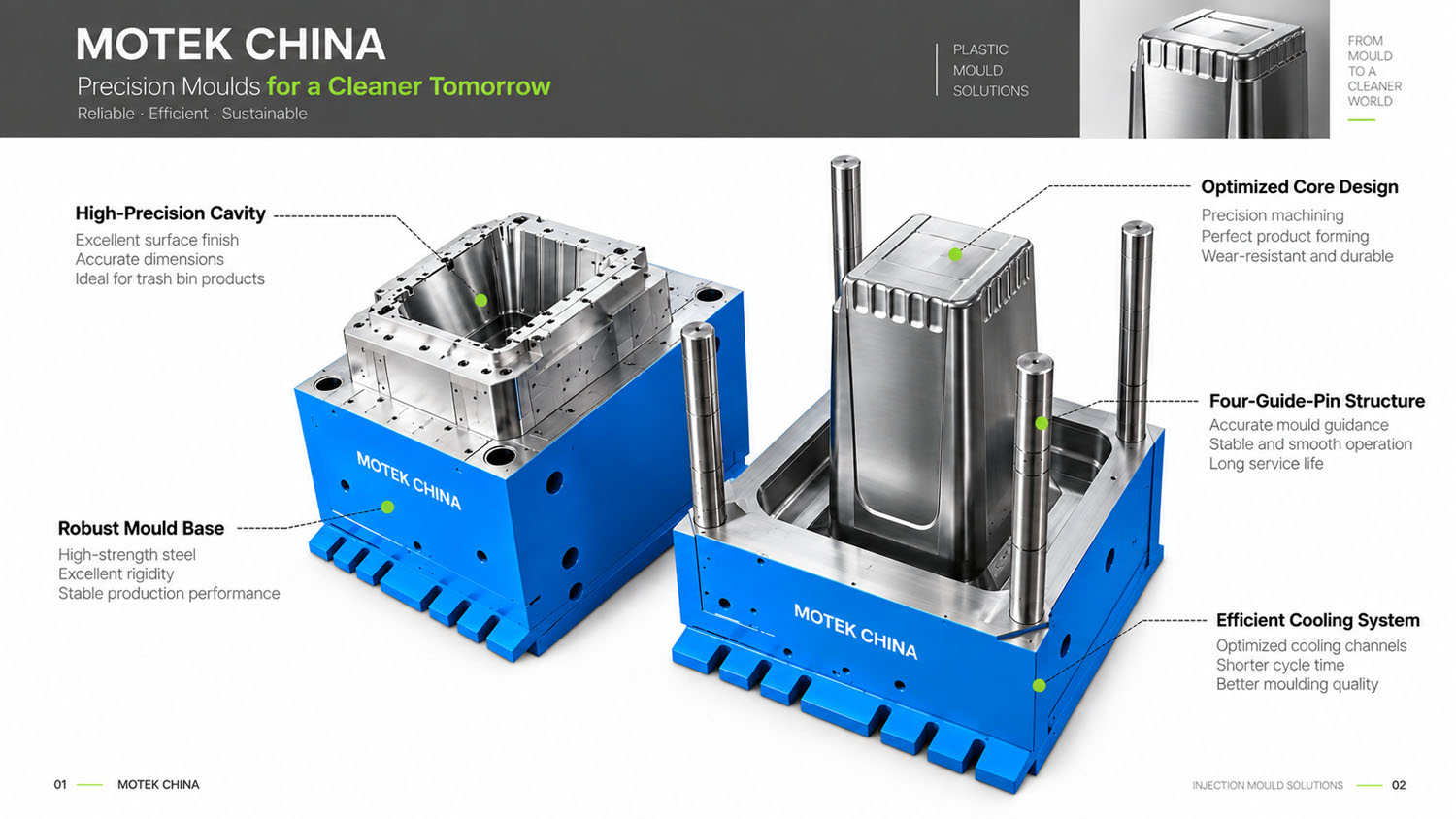
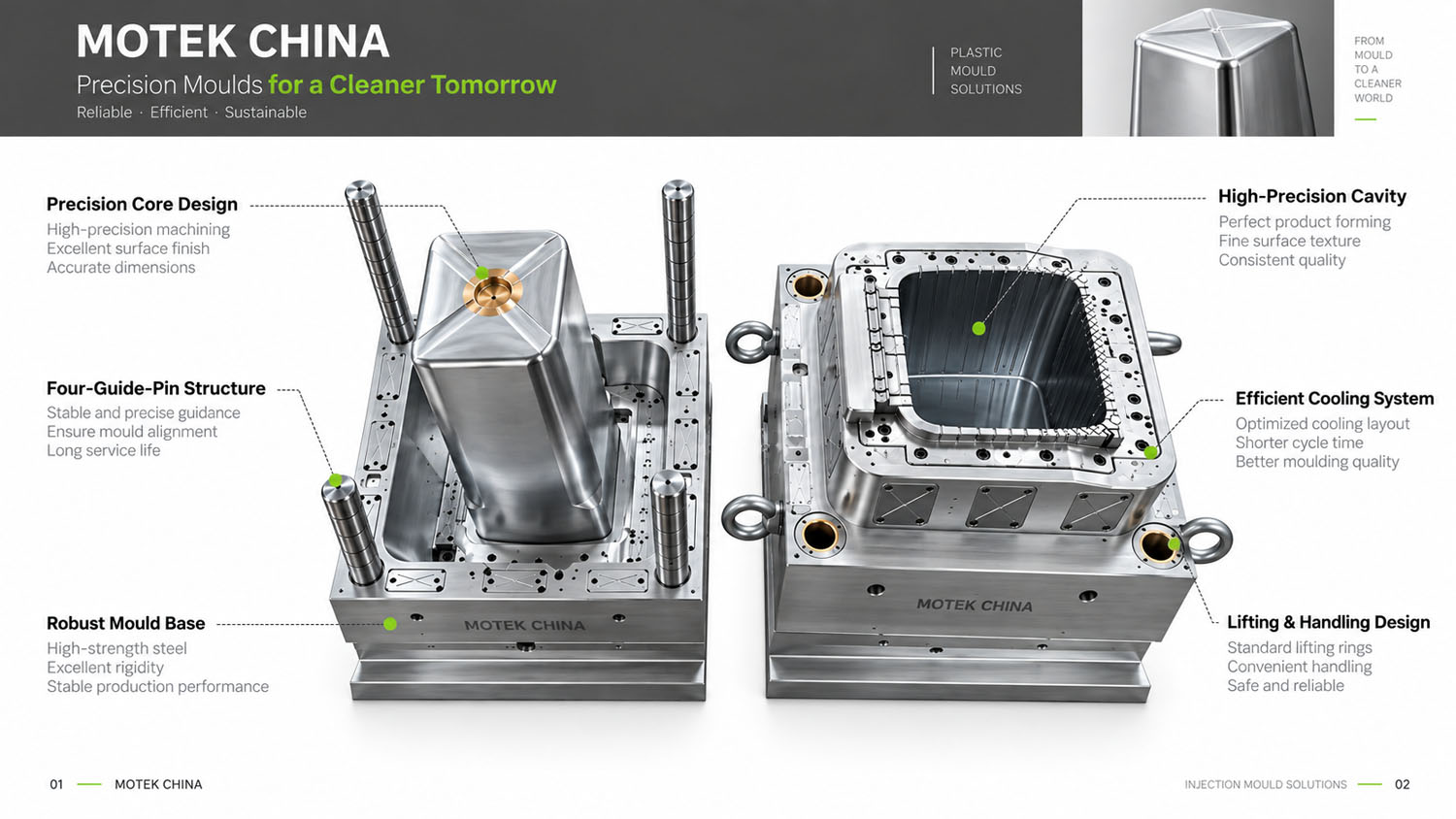
Motek introduces dedicated injection molds for classic 30–60L public space flip-top trash cans. These products feature flip-top opening and hands-free operation, widely used in streets, parks, communities, schools, and commercial areas. Compared with household flip-top bins, the core challenges of public flip-top trash can molds lie in forming precision of the flip hinge and sealing structure, cooling and demolding efficiency of large-capacity deep-cavity bodies, and weather resistance and stacking/handling convenience under outdoor use conditions. Motek configures dedicated solutions around flip-top component forming, deep-cavity cooling systems, and material selection, helping customers achieve stable mass production of public flip-top trash cans.
Core Specifications
| Item | Specification |
|---|---|
| Applicable Plastics | HDPE / PP (UV-stabilized modified material recommended for outdoor use, impact-resistant, low-temperature resistant) |
| Mold Material | P20 / 718H / NAK80 (selected per output), H13 recommended for flip-top inserts |
| Number of Cavities | 1×1 primarily (30–60L bodies); 1×2 evaluable for small specifications |
| Mold Life | 300,000–1,000,000 shots (depending on steel selection) |
| Cycle Time | 25–45 seconds (referencing general industry range for trash can molds) |
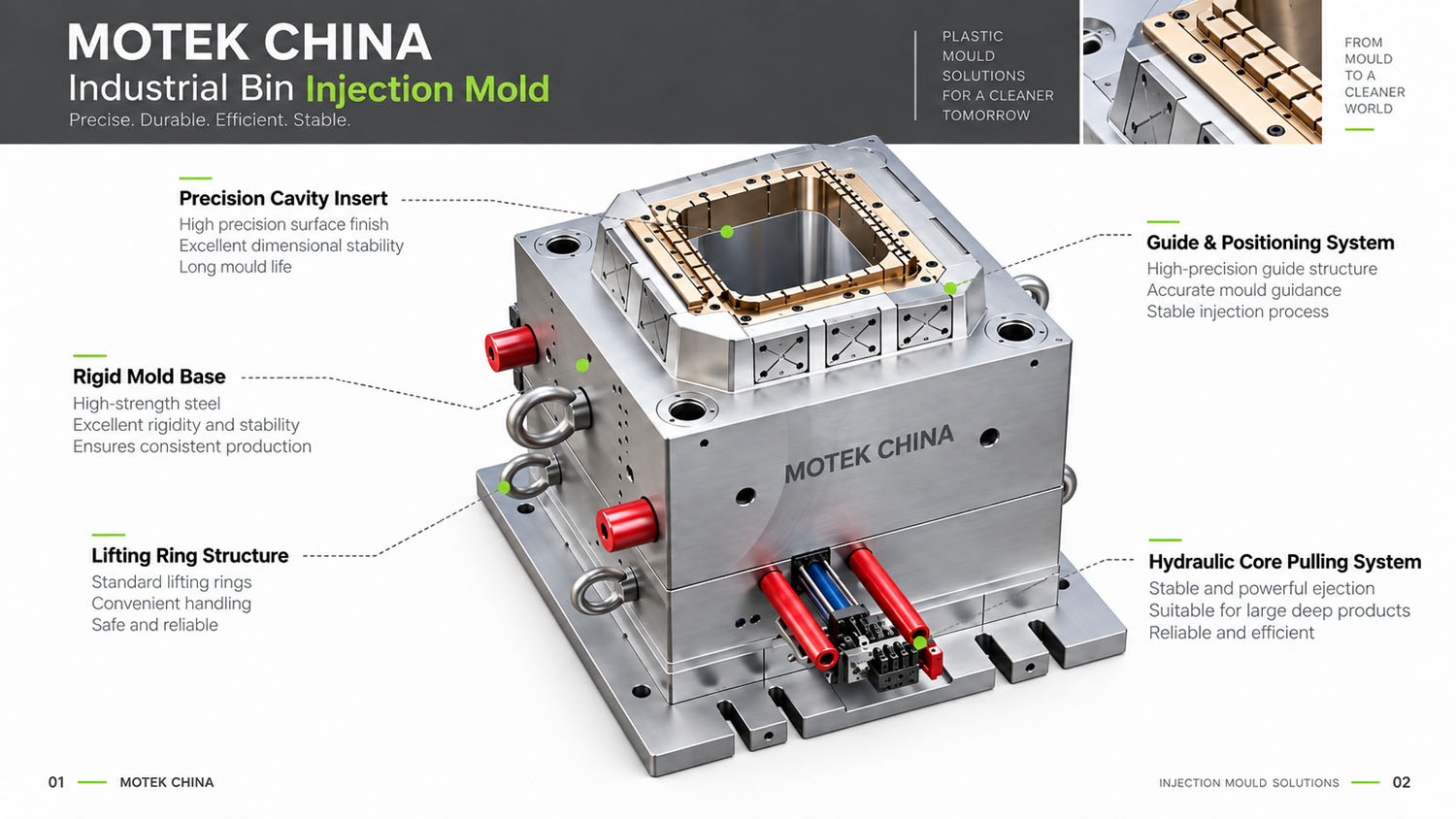
| Mold Base Standard | LKM / HASCO / DME or customer-specified |
| Runner System | Hot runner recommended (balanced filling of deep cavity areas) / Cold runner optional |
| Flip-Top Structure | Hinge/snap-fit/sealing frame integrally formed, with slider-assisted demolding |
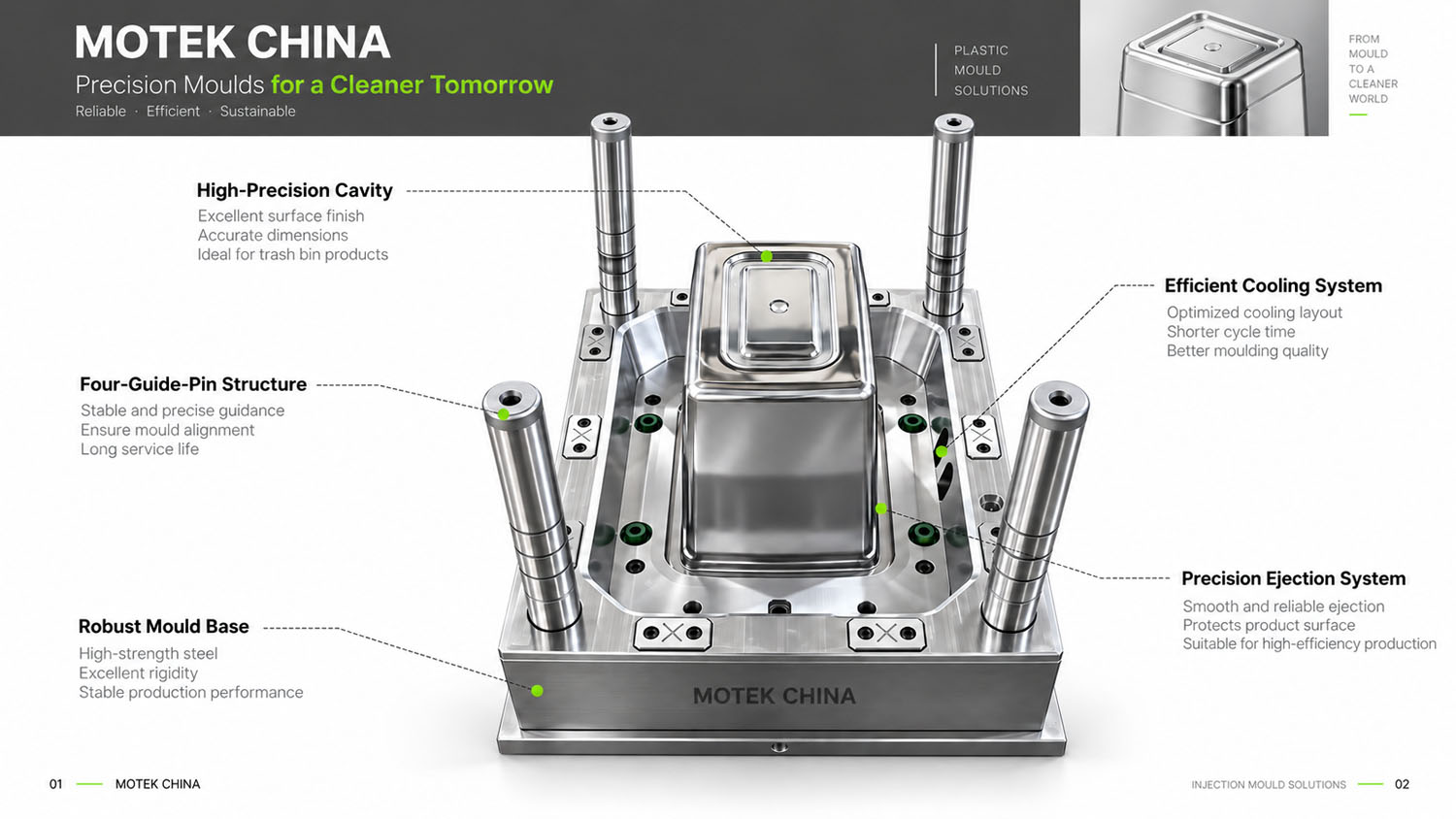
| Ejection Method | Stripper plate + ejector pins + air ejection composite ejection |
Product Features
Integral Forming of Flip Hinge and Sealing Structure.
The core function of public flip-top trash cans lies in the hinge fit and closing seal between lid and bin opening. Referencing industry flip-top forming solutions for large municipal trash can molds, Motek arranges flip-top lid forming assemblies in the middle template, with lid forming frames, lid sealing frames, and lid rotation forming sections working together to form the hinge structure and sealing mating surfaces. The flip-top area uses sliders or inserts for first-out demolding, ensuring hinge forming precision and smooth demolding, preventing lid misalignment or incomplete closure.
Cooling and Demolding Optimization for Large-Capacity Deep-Cavity Bodies.
30–60L bodies are deep-cavity large parts where uneven cooling can easily cause warpage or demolding difficulties. Motek adopts zoned circulating water channels focusing on the bin bottom and side wall transition areas to equalize cooling rates across regions, shortening cooling time while preventing product deformation. The demolding system uses a composite method of stripper plate with ejector pins and air ejection, ensuring deep-cavity bodies release smoothly after constraints are fully released, preventing scratching. Mature industry trash can molds generally adopt stripper plate + ejector pin + air ejection composite ejection solutions.
Outdoor Weather Resistance and Structural Strength Assurance.
Public trash cans are exposed long-term to sun and rain, requiring UV aging resistance and impact resistance. Motek confirms UV-modified HDPE/PP grades with customers during material selection, and considers shrinkage rate differences of modified materials in cavity dimension calculations. Wall thickness is appropriately increased at impact-prone areas such as body corners, bin bottom edges, and flip hinge areas to enhance overall durability. Cavity surfaces can receive polishing or texture etching, balancing appearance with stain resistance.
Smooth Flip Opening/Closing and Limit Design.
Public flip-top trash cans must maintain reliable operation under frequent opening and closing. Motek applies dedicated tolerance control to flip hinge shaft holes and limit structures, ensuring flexible lid opening/closing without jamming and accurate positioning upon closing. For flip designs with counterweight or soft-close mechanisms, the mold reserves mechanism mounting positions and ensures dimensional accuracy meets operation requirements.
Handling and Emptying Convenience.
Public trash cans require frequent emptying by sanitation workers. Motek forms thickened carrying handles on both sides of the body or reserves lifting mechanism mounting positions, with handles bearing full-load handling requirements. Wear-resistant foot pad mounting positions or integrally formed wear-resistant structures can be designed on the bin bottom, adapting to movement and placement needs in public settings.
Multi-Cavity Balance and Weight Consistency.
For 1×2 or small-specification molds, Motek optimizes runner balance and gate layout through mold flow analysis, ensuring consistent product weight, dimensions, and wall thickness across all cavities to meet batch production stability requirements.
Applications
Motek classic 30–60L public space flip-top trash can molds are suitable for:
- Park/street flip-top public trash cans (30–60L)
- Community/residential area flip-top trash cans
- School/hospital public flip-top trash cans
- Commercial plaza/pedestrian street flip-top trash cans
- Outdoor public space flip-top litter bins
Service Process
After the customer provides 3D product drawings, flip-top mechanism plans, capacity specifications, and appearance requirements, Motek completes mold flow analysis (including deep cavity filling evaluation, flip fit verification, and cooling optimization) and mold structure confirmation; cavity steel and hot runner systems are procured according to agreed specifications; progress and key milestones are regularly reported during processing. During trial molding, emphasis is placed on verifying flip opening/closing smoothness, closing seal performance, body demolding quality, and appearance surface finish, with samples provided for confirmation. Before shipment, molds undergo anti-rust treatment and action testing, with water circuit diagrams, hot runner wiring diagrams, consumable parts lists, and maintenance instructions provided. Technical support is available during the warranty period, with lifetime maintenance consultation.
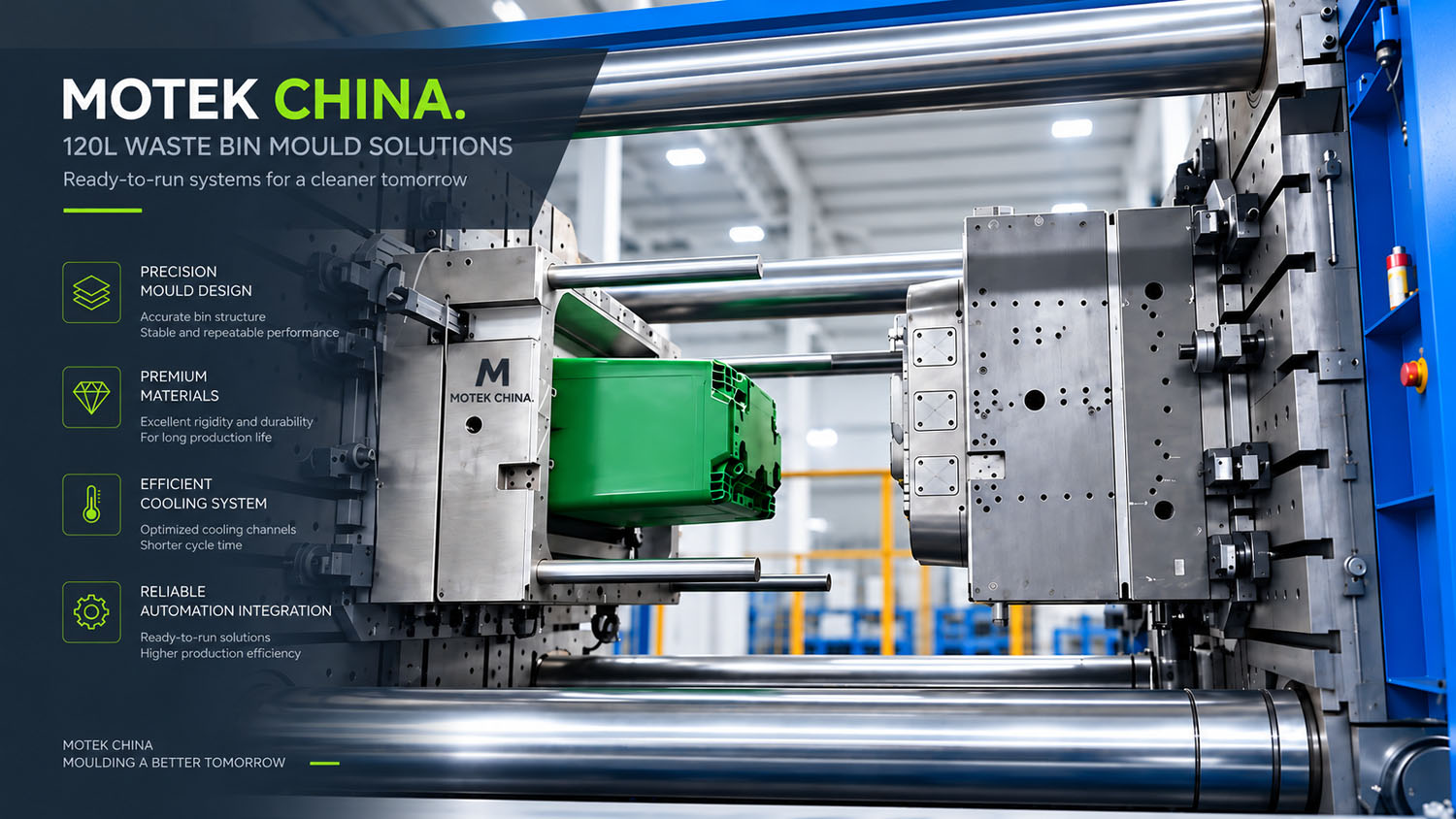
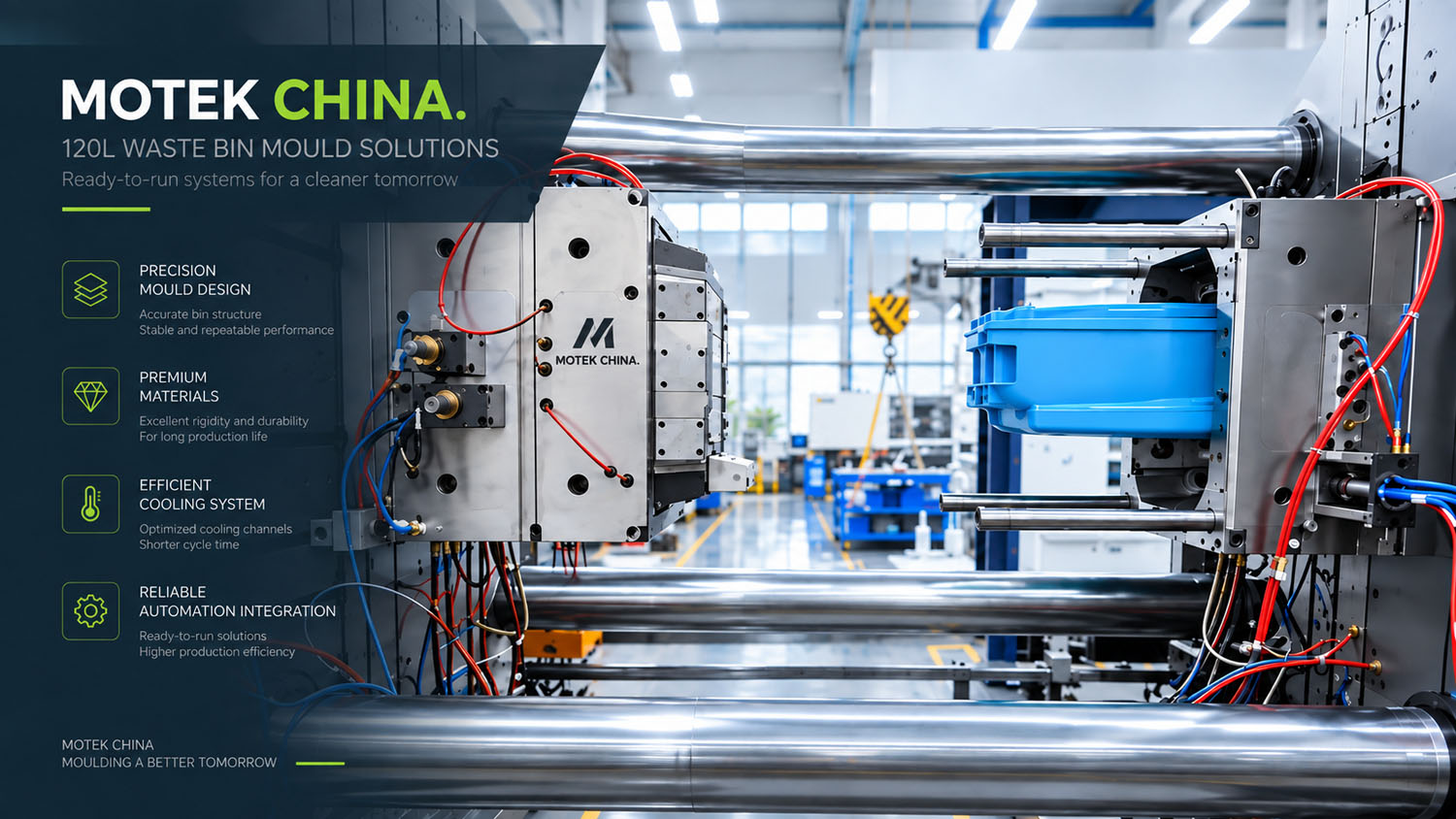
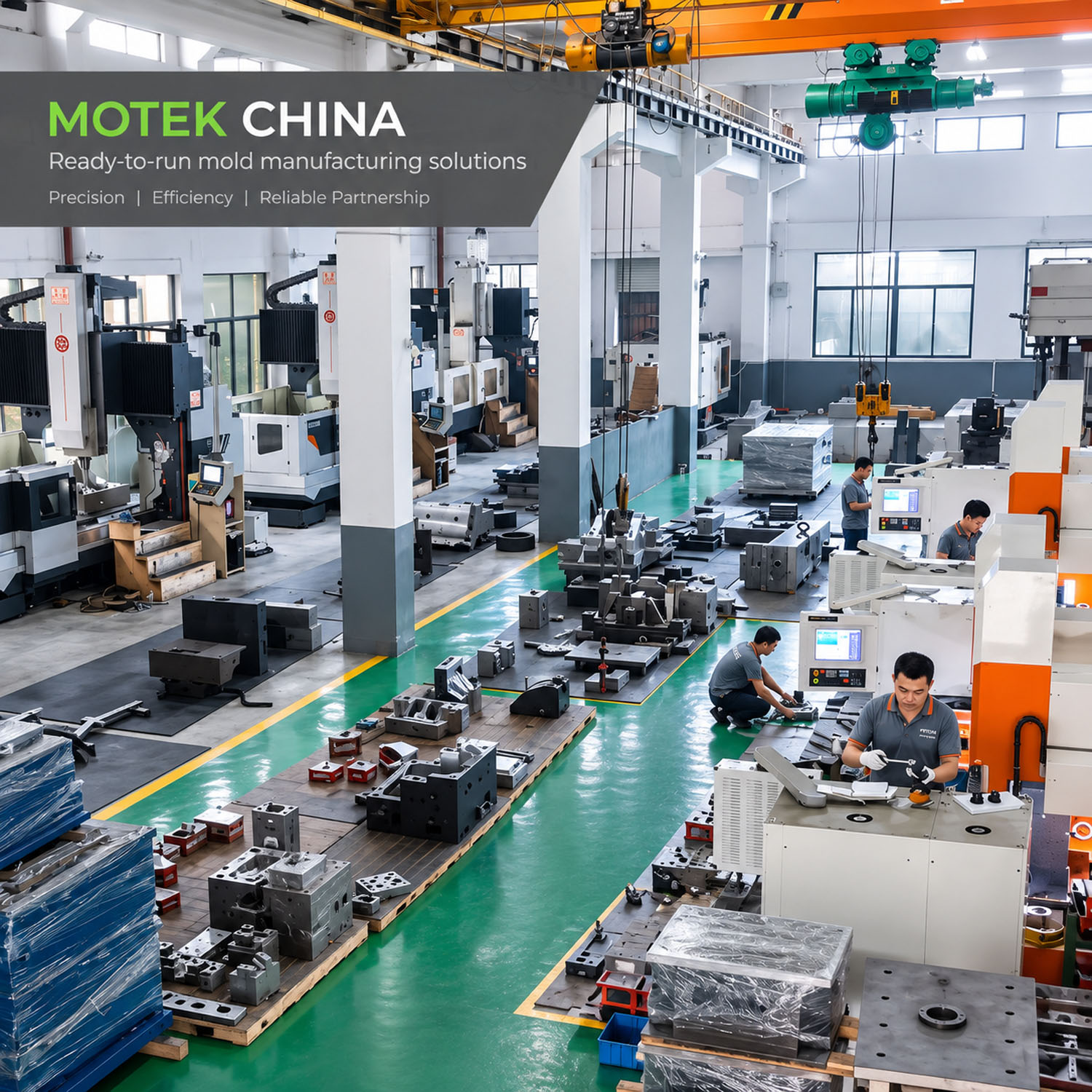
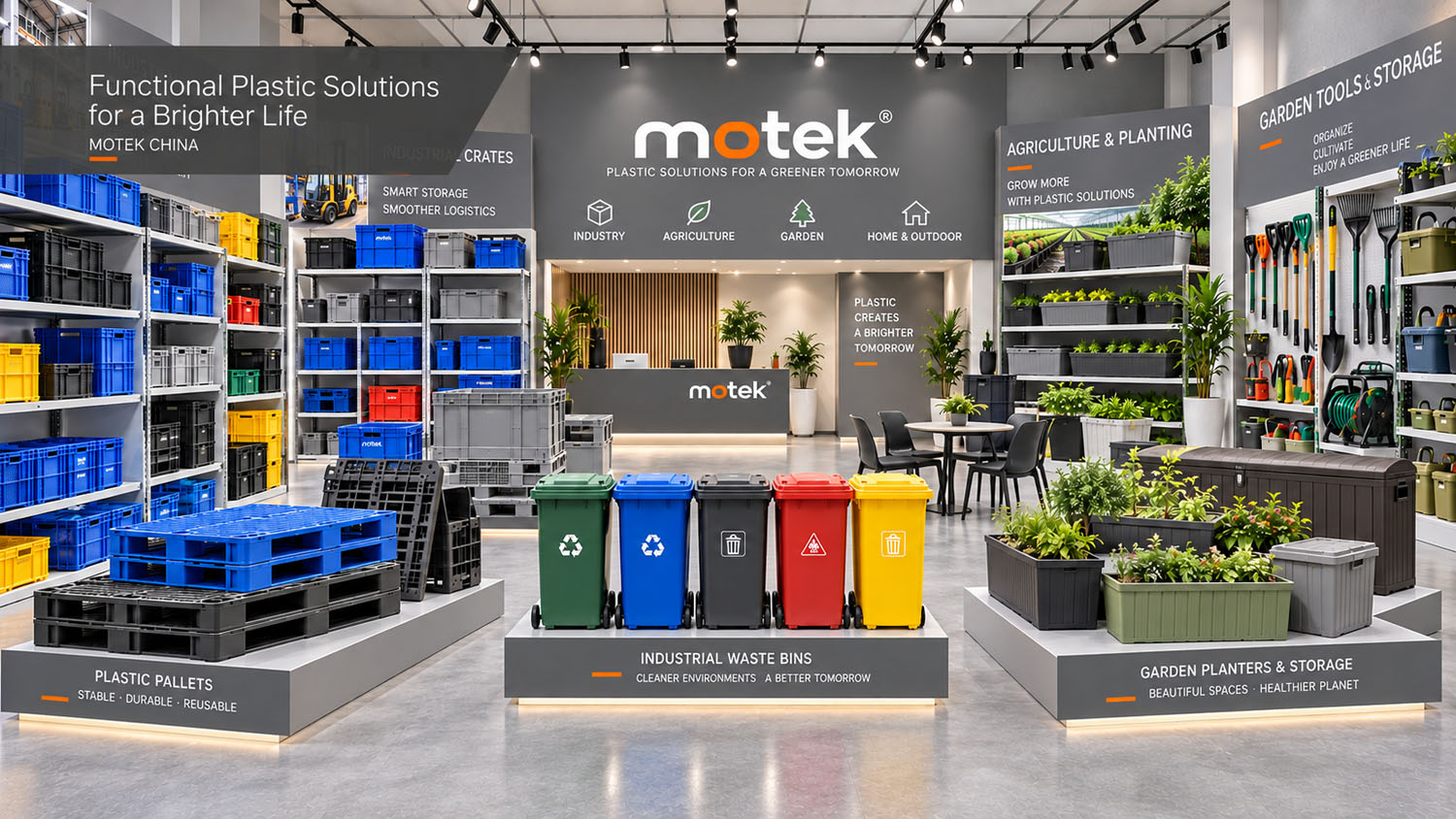

Motek — From household flip-top bins to public space flip-top trash cans, providing reliable mold solutions for injection molding of public sanitation plastic products.
