

Silent Plastic Low Dining Stool Mold — Product Introduction (Motek Furniture Mold Series)
Silent Plastic Low Dining Stool Mold — Product Introduction (Motek Furniture Mold Series)
Product Positioning
Motek introduces dedicated injection molds for silent plastic low dining stools. This product category combines a compact low-profile design with noise-reduction features—typically achieved through hollow leg construction, resilient foot pads, or integrated cushioning structures that minimize scraping and impact noise on hard floors. Widely used in restaurants, cafes, food courts, and households with hard flooring, these stools prioritize quiet operation without sacrificing load-bearing capacity or durability. The core challenges in mold development lie in noise-dampening structural design within the stool body, structural integrity of the hollow leg construction, and precision forming of anti-slip foot interfaces. Motek addresses these through cavity layout, cooling design, and demolding mechanisms, helping customers achieve stable mass production of silent low dining stools.
Core Specifications
| Item | Specification |
|---|---|
| Applicable Plastics | PP / HDPE (high-rigidity, impact-resistant grades; PP commonly used) |
| Mold Material | P20 / 718H / 2738 (cavity and core), H13 optional for slider inserts |
| Number of Cavities | 1×1 primarily; 1×2 evaluable for compact sizes |
| Mold Life | 300,000–800,000 shots |
| Cycle Time | 25–45 seconds (depending on stool size and cooling design) |
| Mold Base Standard | LKM / HASCO / DME or customer-specified |
| Runner System | Hot runner recommended (reduces cold slugs and stress) / Cold runner optional |
| Noise-Reduction Features | Hollow leg interior, resilient foot pad seats, and dampened seat interface integrally formed |
| Demolding Method | Ejector pins + stripper plate composite ejection |
Product Features
Noise-Dampening Structural Design.
Silent stools minimize noise through multiple design strategies: hollow leg interiors that reduce resonance and impact transmission, resilient foot pad seats that isolate the stool from hard floors, and dampened seat interfaces that reduce creaking. Motek forms these features directly in the cavity, ensuring consistent wall thickness in hollow sections and precise fit for foot pad inserts. The hollow leg design maintains structural rigidity while reducing weight and noise transmission.
Structural Integrity of Hollow Leg Construction.
Hollow legs reduce noise but must maintain load-bearing capacity. Motek reinforces the leg-to-seat transition and internal rib structure through optimized wall thickness and rib layout, ensuring the stool remains stable under repeated use. Mold flow analysis verifies filling completeness at leg intersections and hollow section transitions.
Precision Forming of Anti-Slip Foot Interfaces.
Silent stools rely on resilient foot pads to isolate vibration and prevent sliding. Motek forms foot pad seats with tight dimensional tolerance, ensuring secure pad retention without wobbling. Foot pad geometry is designed to accommodate standard pad sizes and materials, with adequate depth for wear allowance.
Seat Surface Comfort and Anti-Slip Texture.
The seat surface requires both comfort and grip. Motek forms a gently contoured seat with textured anti-slip surface—fine rib or diamond pattern—providing grip without being abrasive. All seat edges are rounded and deburred for comfort and safety.
Balanced Filling of the Stool Body.
The stool body features varying wall thickness—thick at the leg transitions, thinner at the seat surface and hollow sections. Motek employs a hot runner system with multi-point gates to ensure balanced melt distribution, preventing short shots in thin sections and sink marks in thick transitions.
Stackable and Compact Design.
Low dining stools are often designed to stack for efficient storage in restaurants and cafes. Motek forms stacking features with tight tolerance control, ensuring stools stack securely without wobbling and nest compactly when not in use.
Applications
Motek silent plastic low dining stool molds are suitable for:
- Restaurant and cafe low dining stools
- Food court seating with noise-reduction requirements
- Household low stools for hard flooring
- Stackable commercial dining stools
- Silent seating for libraries and quiet environments
Service Process
After the customer provides 3D product drawings, noise-reduction requirements, load-bearing specifications, and stacking requirements, Motek completes mold flow analysis (including hollow leg filling evaluation, structural reinforcement verification, and warpage prediction) and mold structure confirmation; cavity steel and hot runner systems are procured according to agreed specifications; progress and key milestones are regularly reported during processing. During trial molding, emphasis is placed on verifying noise-reduction effectiveness, structural stability, foot pad fit, and stacking functionality, with samples and inspection reports provided. Before shipment, molds undergo anti-rust treatment and action testing, with water circuit diagrams, hot runner wiring diagrams, consumable parts lists, and maintenance instructions provided. Technical support is available during the warranty period, with lifetime maintenance consultation.


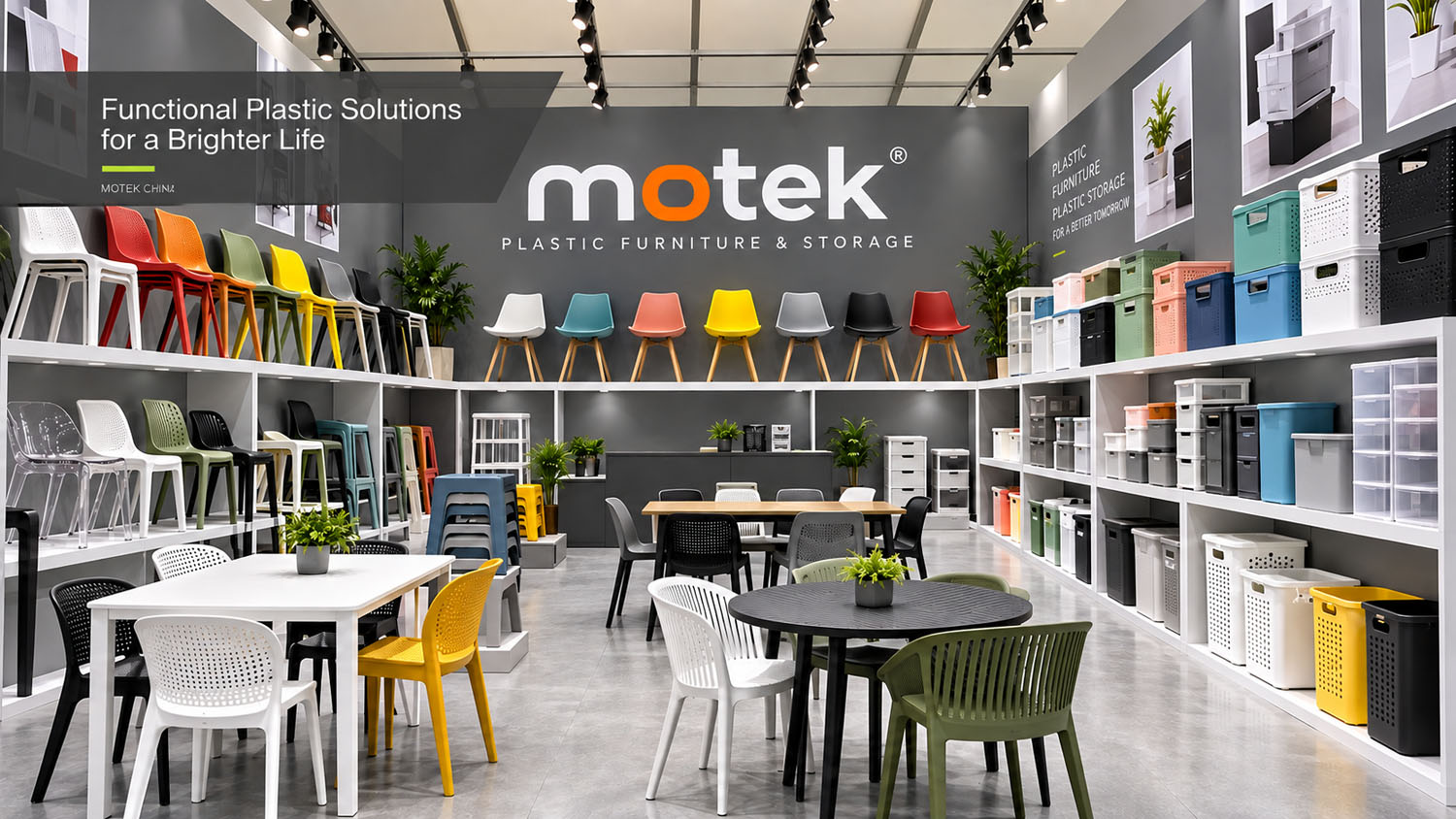

Motek — From standard dining stools to silent low-profile designs, providing reliable mold solutions for noise-reduced commercial and household seating.
