


Classic Food-Stall Plastic Chair Mold — Product Introduction (Motek Furniture Mold Series · Outdoor Food-Stall Specific)
Classic Food-Stall Plastic Chair Mold — Product Introduction (Motek Furniture Mold Series · Outdoor Food-Stall Specific)
Product Positioning
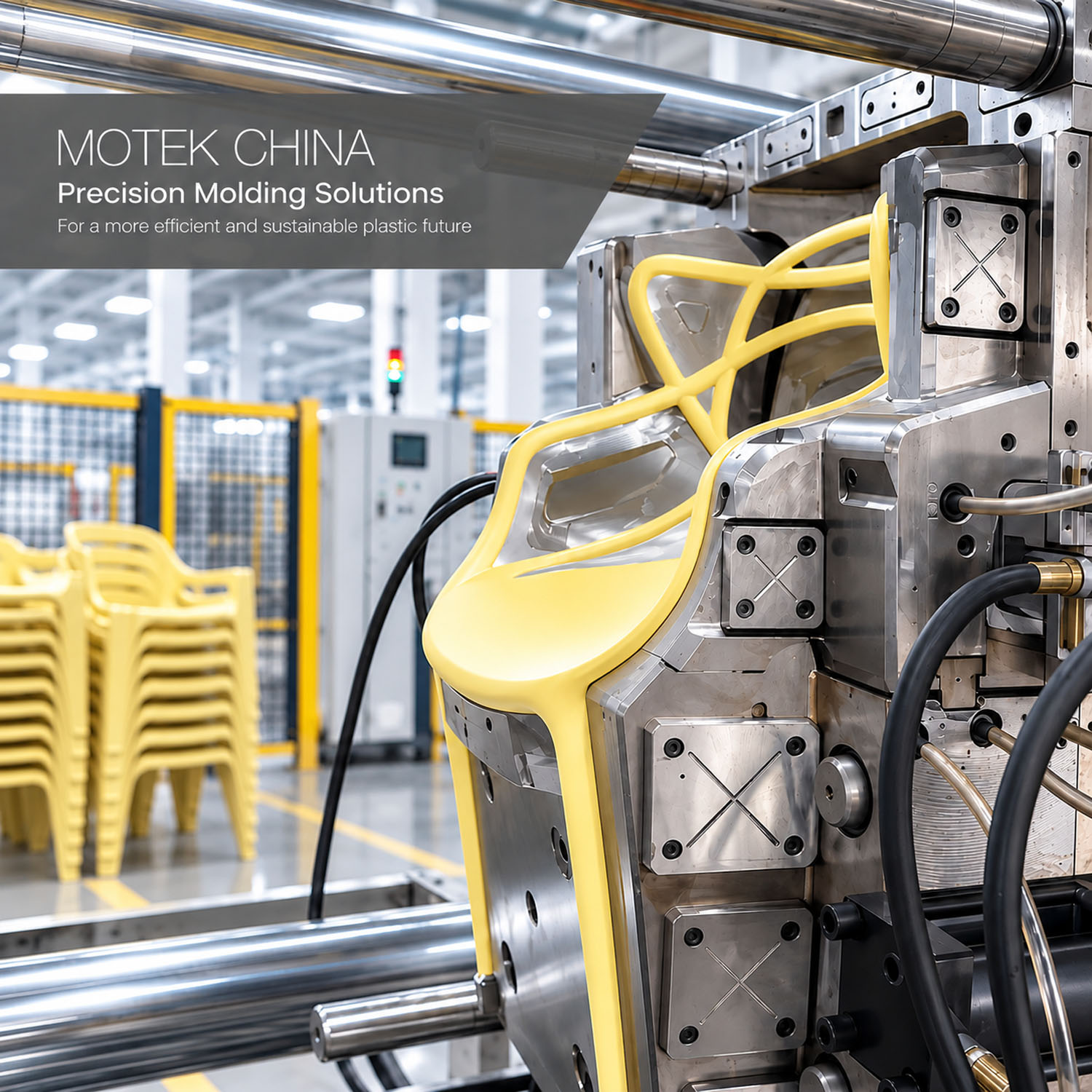
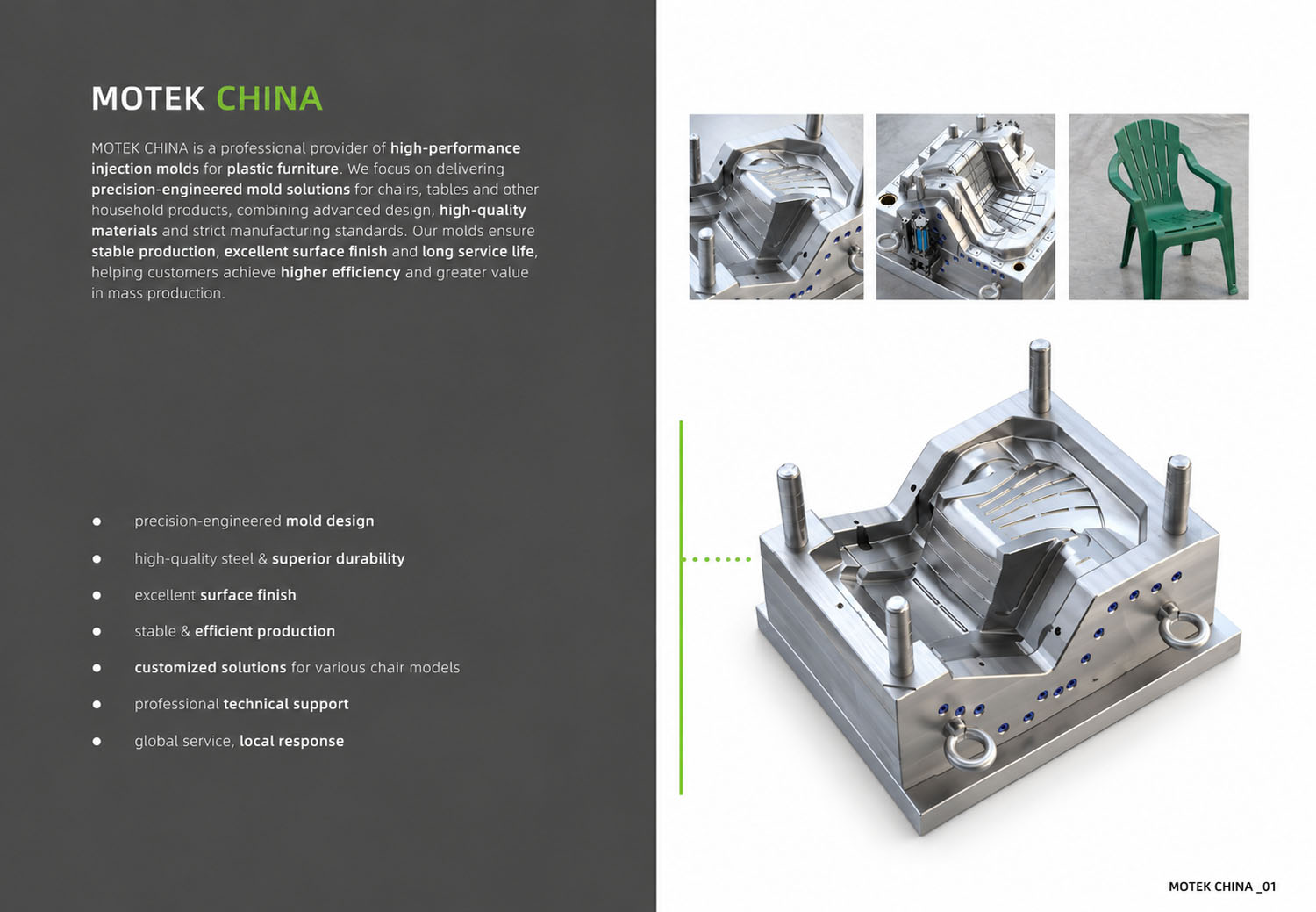
Motek introduces dedicated injection molds for classic food-stall plastic chairs used in high-frequency settings such as outdoor food stalls, night markets, and barbecue stands. This chair category, typified by the "saving stool" or four-leg backrest chair, is characterized by one-piece injection molding, lightweight water resistance, high stackability, low cost, and durability against sun, rain, and frequent handling. The core challenges in mold development lie in smooth stacking with anti-sticking design, uniform wall thickness and load-bearing assurance under one-piece forming, and durability requirements for materials and structures under high-frequency outdoor use. Motek configures dedicated solutions around stacking functionality, venting systems, and cooling efficiency, helping customers achieve stable mass production of food-stall chairs.
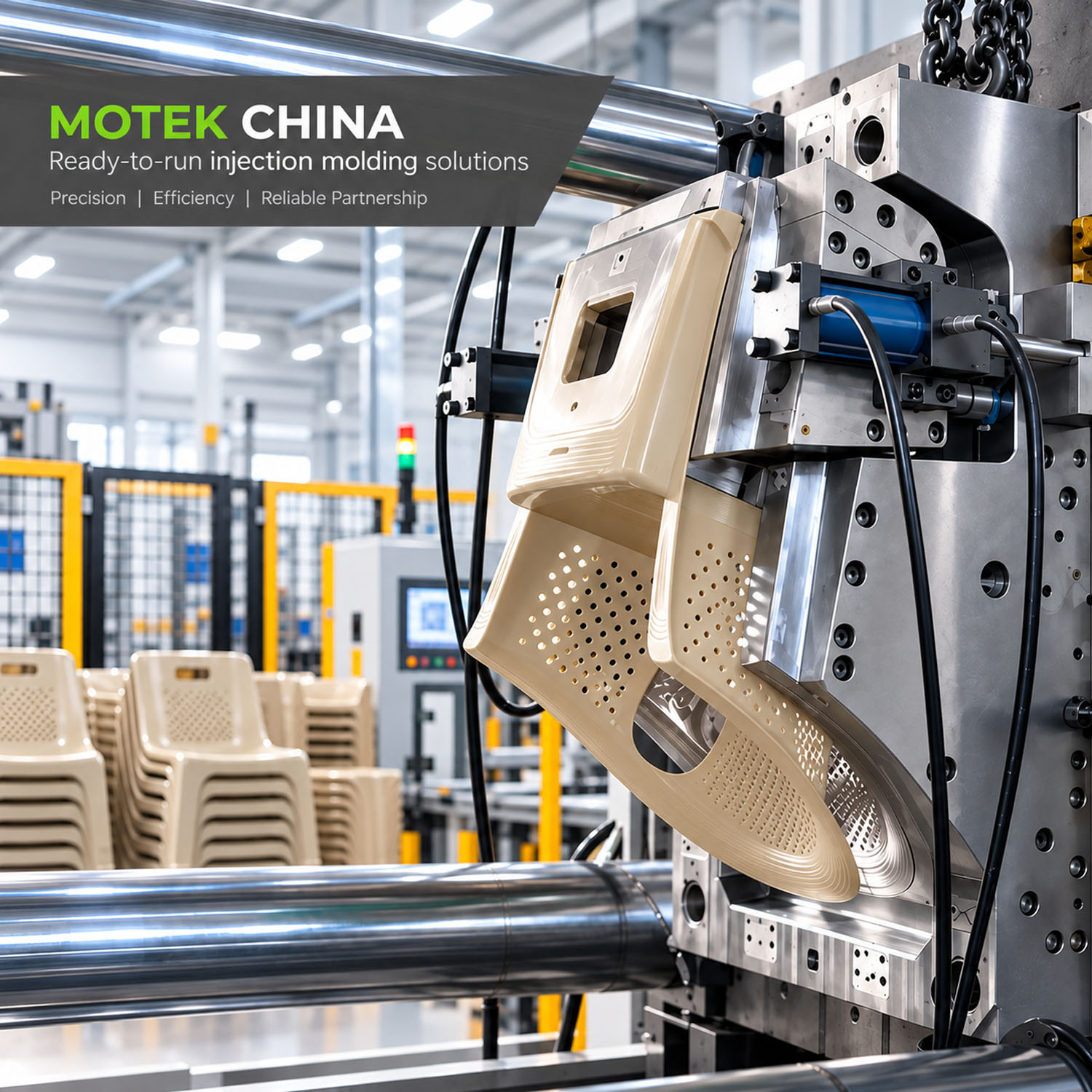
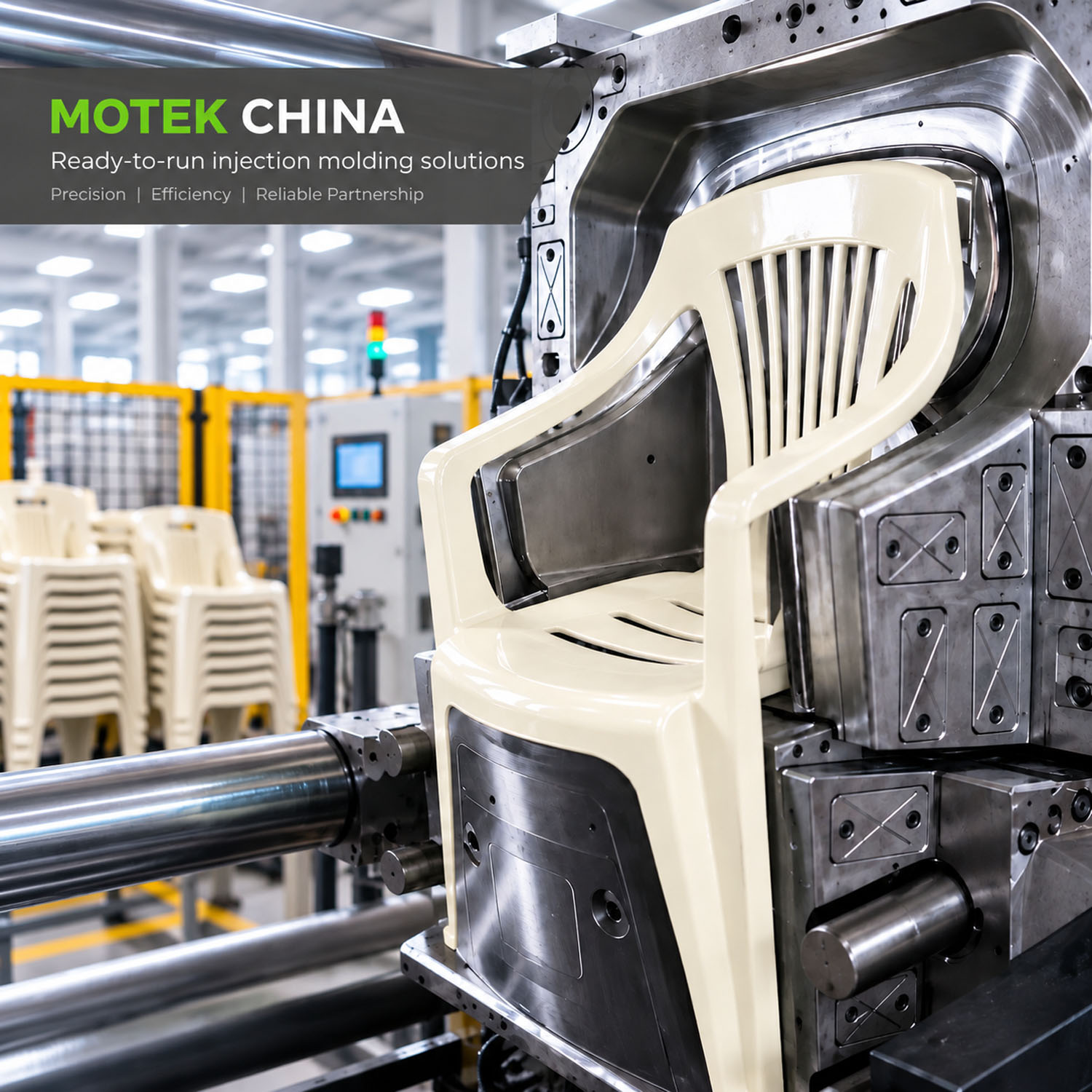
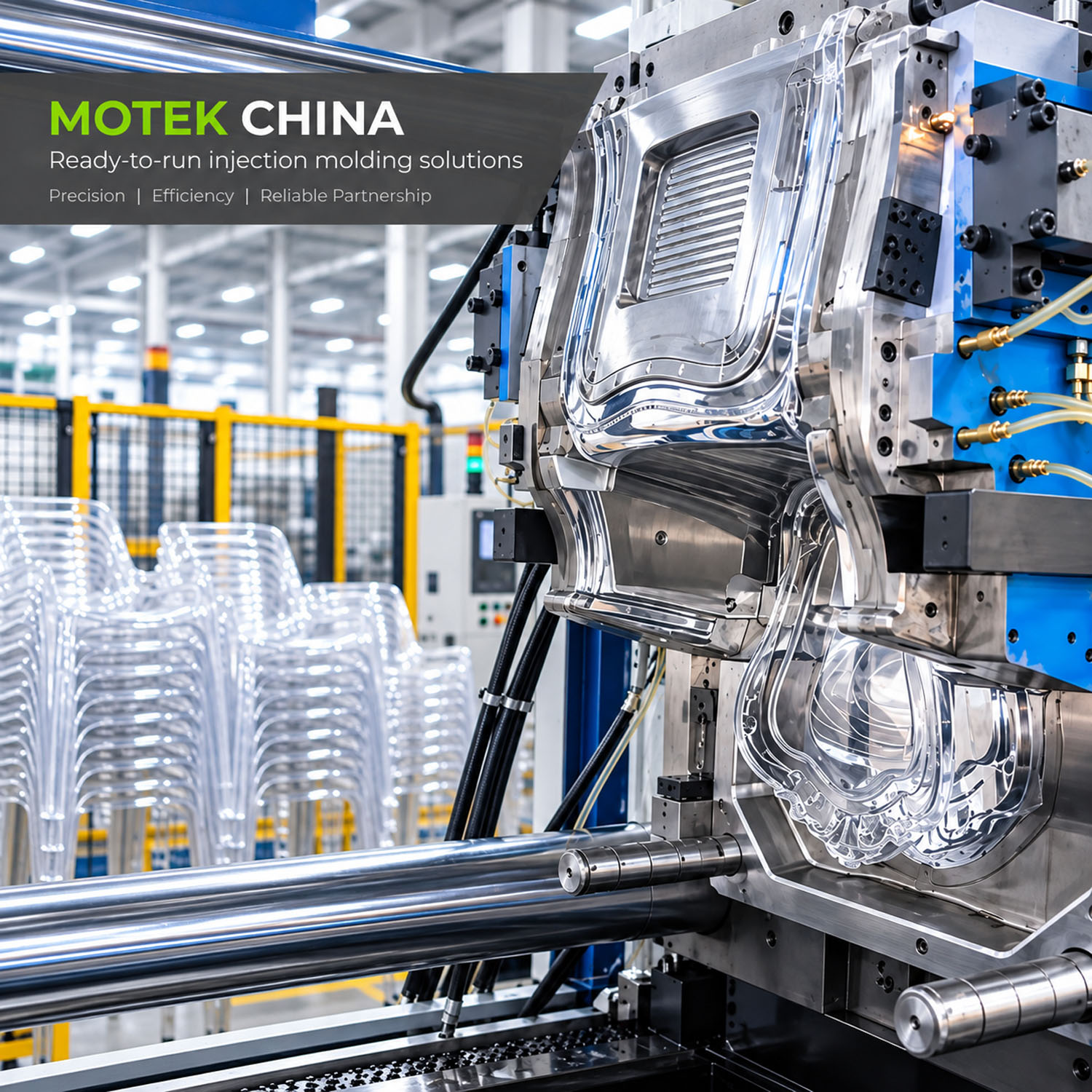
Core Specifications
| Item | Specification |
|---|---|
| Applicable Plastics | PP (copolymer PP or high-density PP; UV-resistant formulation recommended for outdoor use) |
| Mold Material | P20 / 718H / 2738 (cavity and core), cavity surface hardness recommended HV≥500 |
| Number of Cavities | Single cavity primarily; 1×2 evaluable for small square stools |
| Mold Life | 500,000–1,000,000 shots |
| Cycle Time | 35–50 seconds (depending on chair type and cooling design) |
| Mold Base Standard | LKM / HASCO or customer-specified |
| Runner System | Cold runner / Hot runner optional |
| Stacking Design | Top ventilation holes for anti-sticking + stacking positions integrally formed |
Product Features
Smooth Stacking and Anti-Sticking Design.
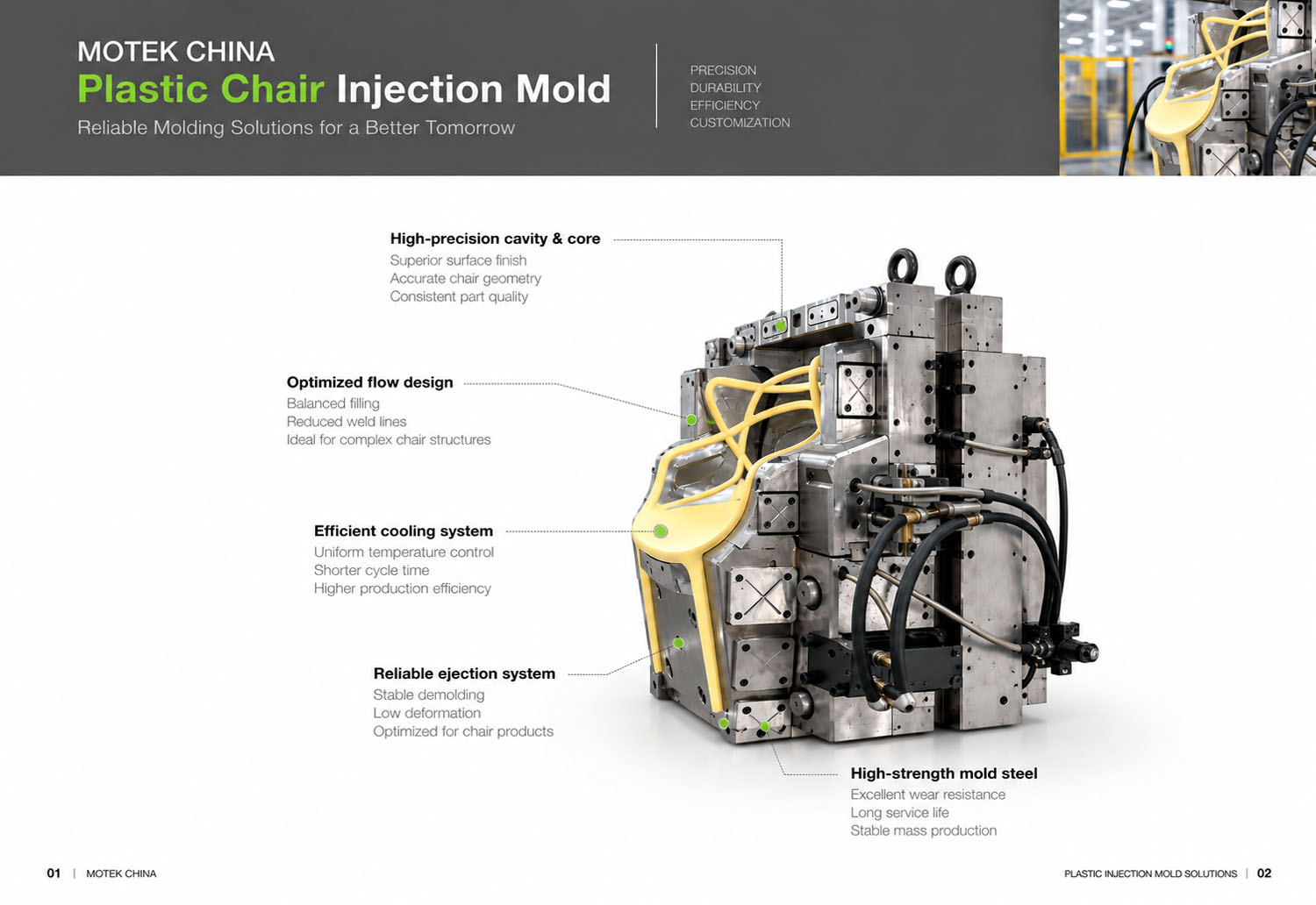
Food stalls need to stack chairs high when closing up, and chairs sticking together after stacking due to atmospheric pressure—making them difficult to separate—is a common pain point. Motek forms ventilation holes in the chair seat top, allowing air to escape during stacking to prevent vacuum suction while making it easy to hook and move chairs with fingers. Stacking position angles and spacing are design-verified to ensure stable stacking, smooth retrieval, and resistance to tipping when stacked high.
Uniform Wall Thickness and Load-Bearing Assurance Under One-Piece Forming.
Food-stall chairs are typically fully plastic injection molded in one piece, with outward-splayed legs and simple structure. Motek ensures uniform wall thickness through high-precision cavity and core alignment, optimizing reinforcement rib layout at load-bearing areas such as legs, seat front edges, and backrest mid-sections, giving chairs sufficient load-bearing capacity while remaining lightweight. Mold flow analysis is used to evaluate filling end positions, with proper venting arranged to prevent weak points caused by trapped gas.
Cooling System Optimization and Cycle Time Control.
Food-stall chairs are high-volume, low-unit-price products where production efficiency directly affects cost. Motek adopts conformal cooling channel design, focusing on thick-wall areas such as the seat and legs to shorten cooling time. Mature industry solutions can control chair mold cycle times in the 35–50 second range; Motek matches cooling circuits according to specific chair types and customer injection molding machine conditions.
Outdoor Weathering and Easy-Clean Surface Treatment.
Outdoor food-stall chairs are exposed long-term to sunlight, rain, and grease. Mold cavities can receive mirror polishing or fine-texture etching—glossy surfaces are easy to wipe clean, while fine-texture surfaces hide minor scratches from use. For materials, Motek coordinates with customers on UV-modified PP to slow fading and embrittlement from long-term outdoor use. Corrosion-resistant materials are recommended for cavity steel, with chrome plating considered based on regrind usage ratios to extend mold maintenance cycles.
Demolding Mechanism Optimized for Leg Undercuts.
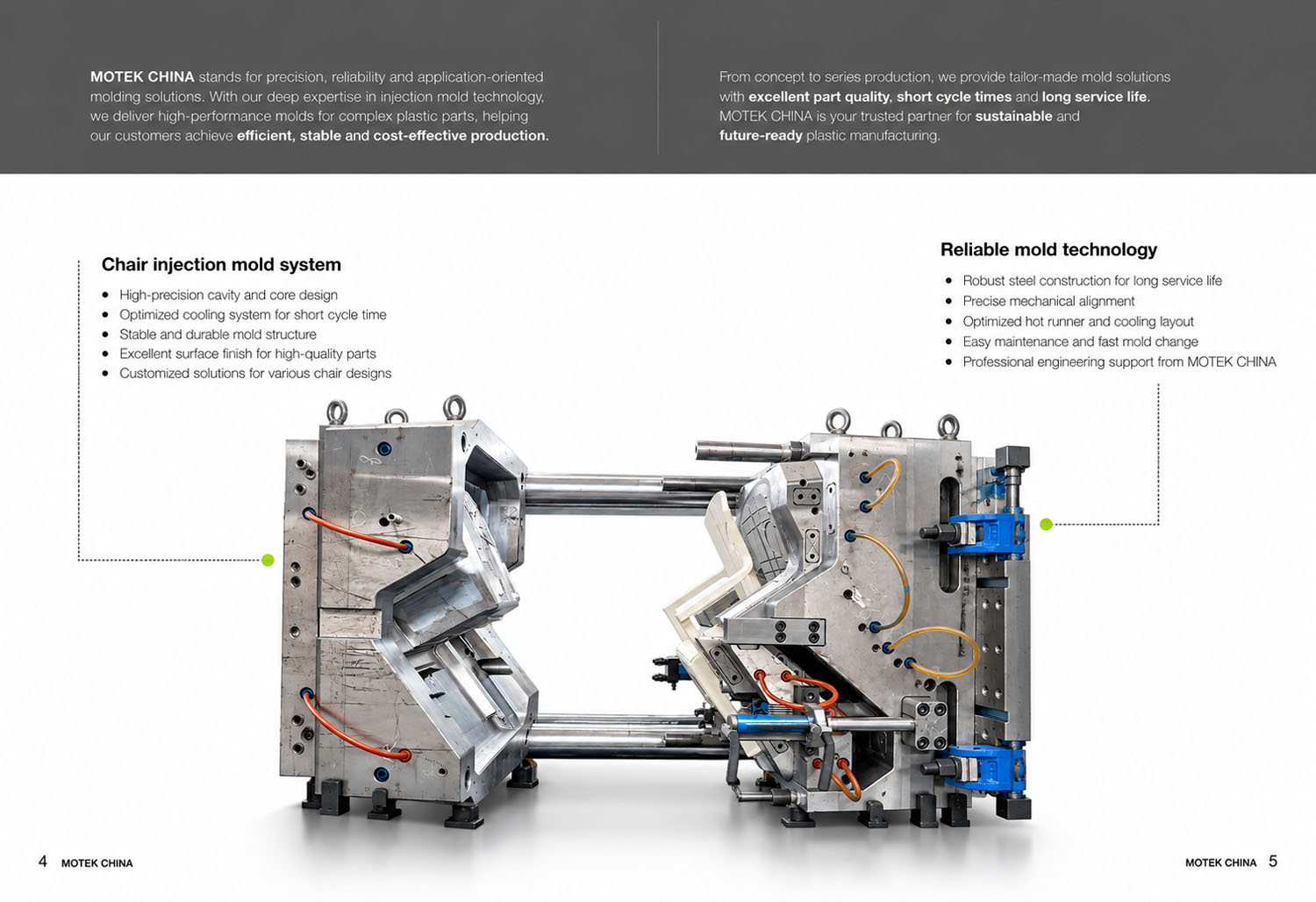
The outward-splayed leg structure of food-stall chairs often forms undercuts, requiring sliders or inserts to separate from the product before demolding. Motek adopts a slider and ejection linkage demolding solution: during mold opening, sliders and positioning inserts in the leg area are first moved away to release the product from constraints, then the ejection action is performed, preventing legs from being scratched or deformed during demolding.
Applications
Motek classic food-stall plastic chair molds are suitable for:
- Square-head red stackable saving stools/plastic stools
- Four-leg backrest food-stall dining chairs
- Backless reinforced round stools (cross-brace structure)
- Center-hole chairs (ventilation hole in seat center)
- Plastic chairs for food stalls/night markets/barbecue stands
- Stackable plastic chairs for banquet-style outdoor gatherings
Service Process
After the customer provides 3D product drawings or samples, stacking requirements, and target output, Motek completes mold flow analysis (including stacking structure evaluation and cooling efficiency simulation) and mold structure confirmation; cavity steel is selected per wear resistance and corrosion resistance requirements; progress and key milestones are regularly reported during processing. During trial molding, emphasis is placed on verifying stacking smoothness, wall thickness uniformity, and structural integrity of load-bearing areas, with samples provided for confirmation. Before shipment, molds undergo anti-rust treatment and action testing, with water circuit diagrams, consumable parts lists, and maintenance instructions provided. Technical support is available during the warranty period, with lifetime maintenance consultation.
Motek — From food-stall saving stools to outdoor backrest chairs, providing reliable mold solutions for injection molding and stable mass production of high-frequency commercial plastic chairs.
