


Plastic Rattan-Weave Steel-Tube Chair Mold — Product Introduction (Motek Furniture Mold Series)
Plastic Rattan-Weave Steel-Tube Chair Mold — Product Introduction (Motek Furniture Mold Series)
Product Positioning
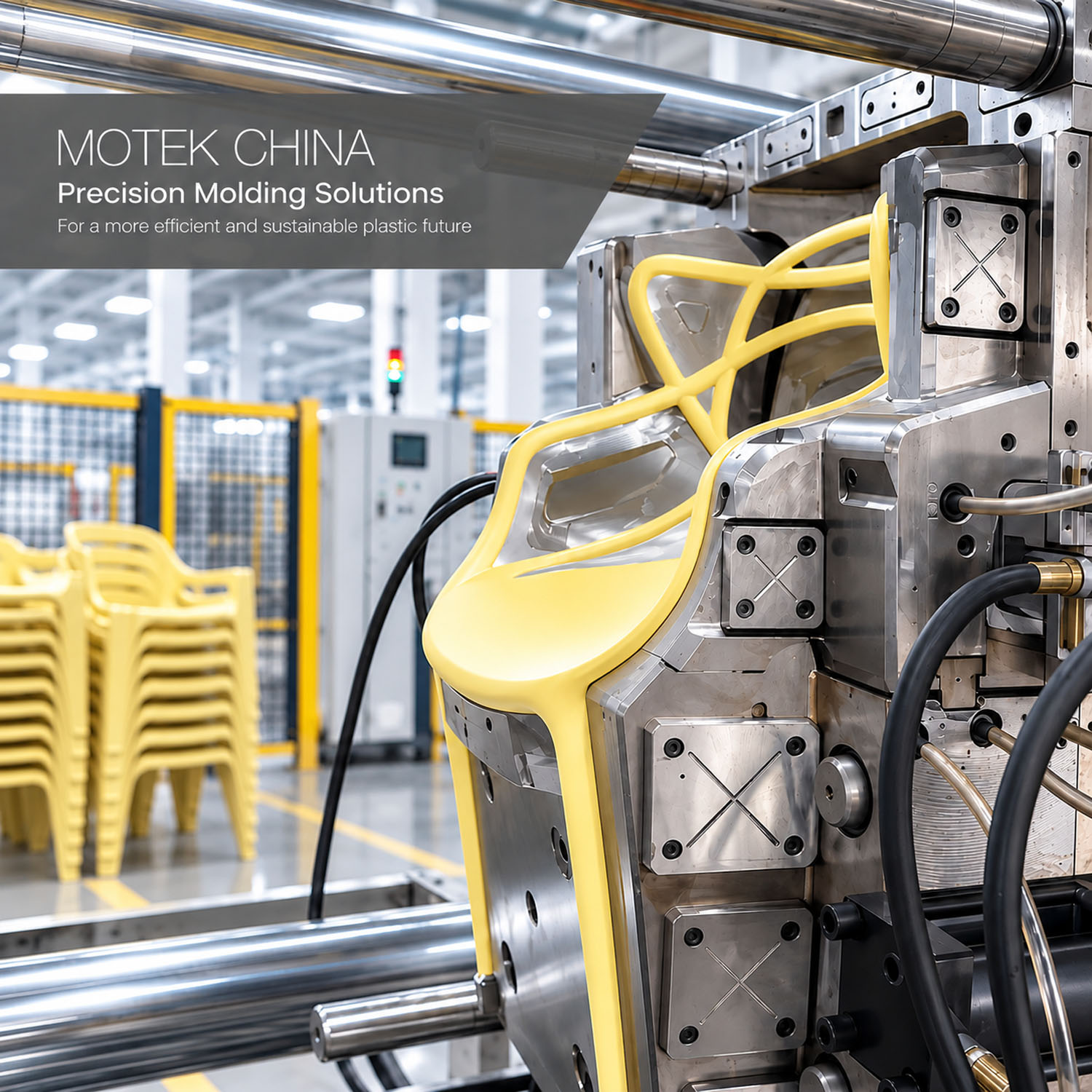
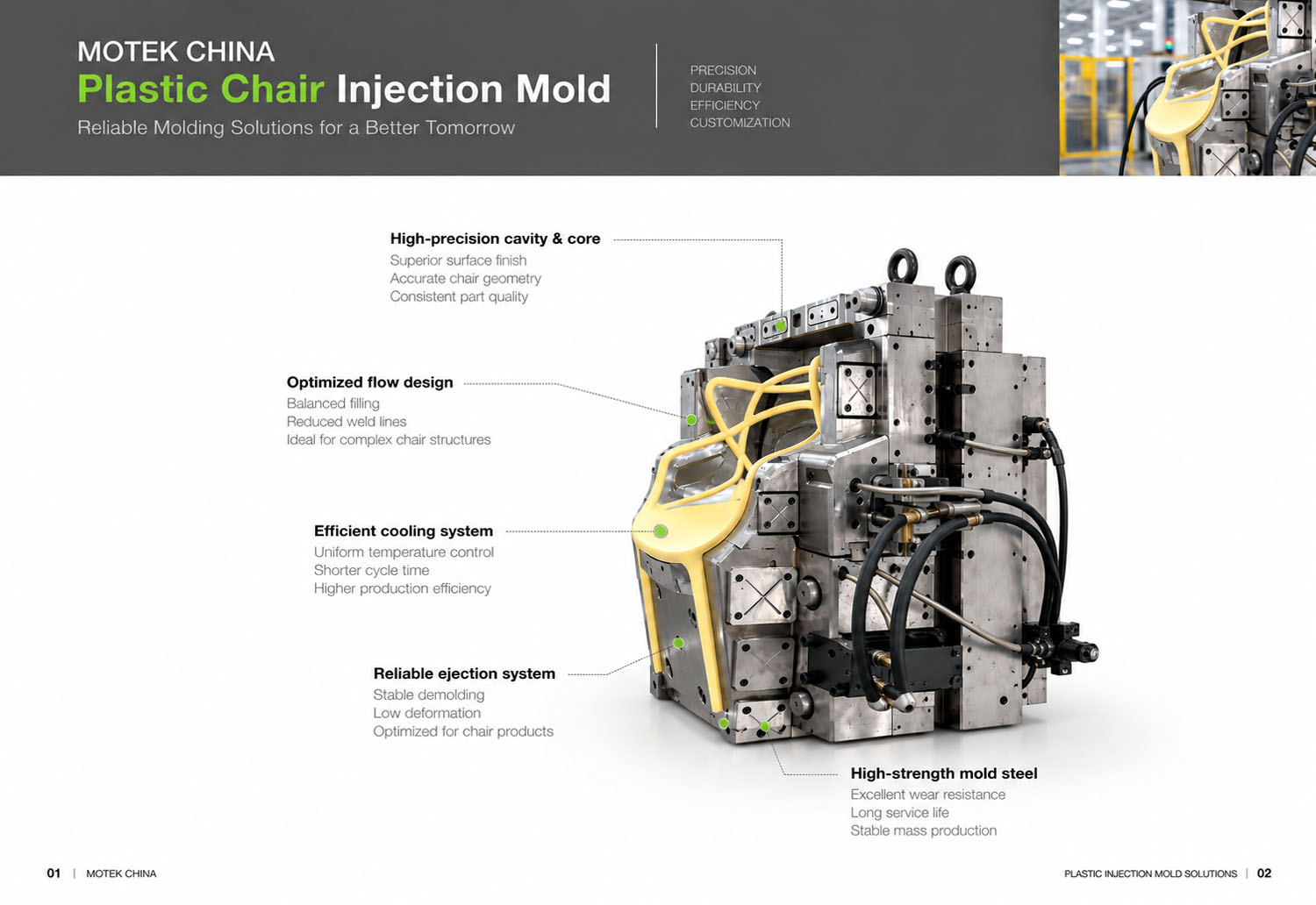
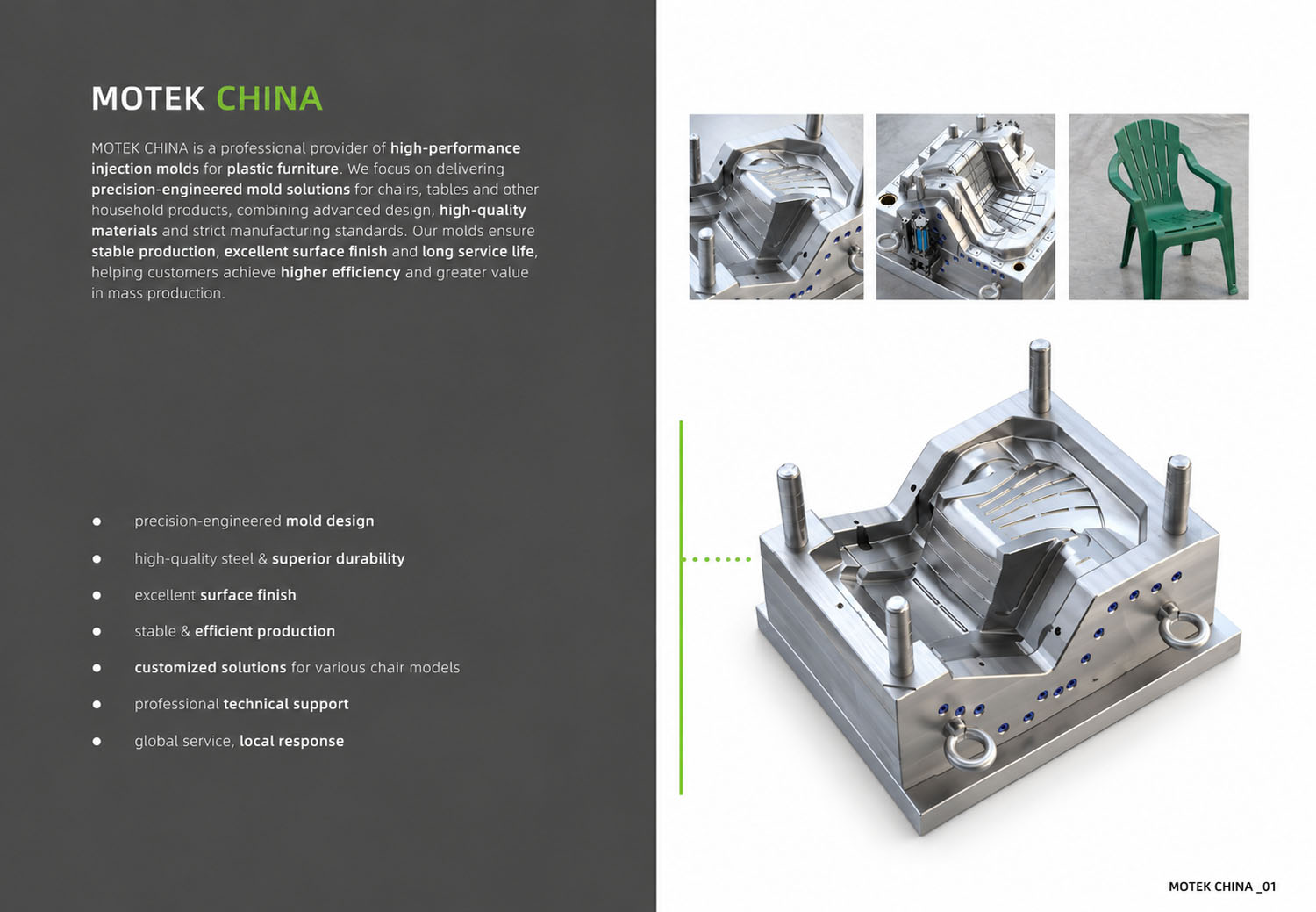
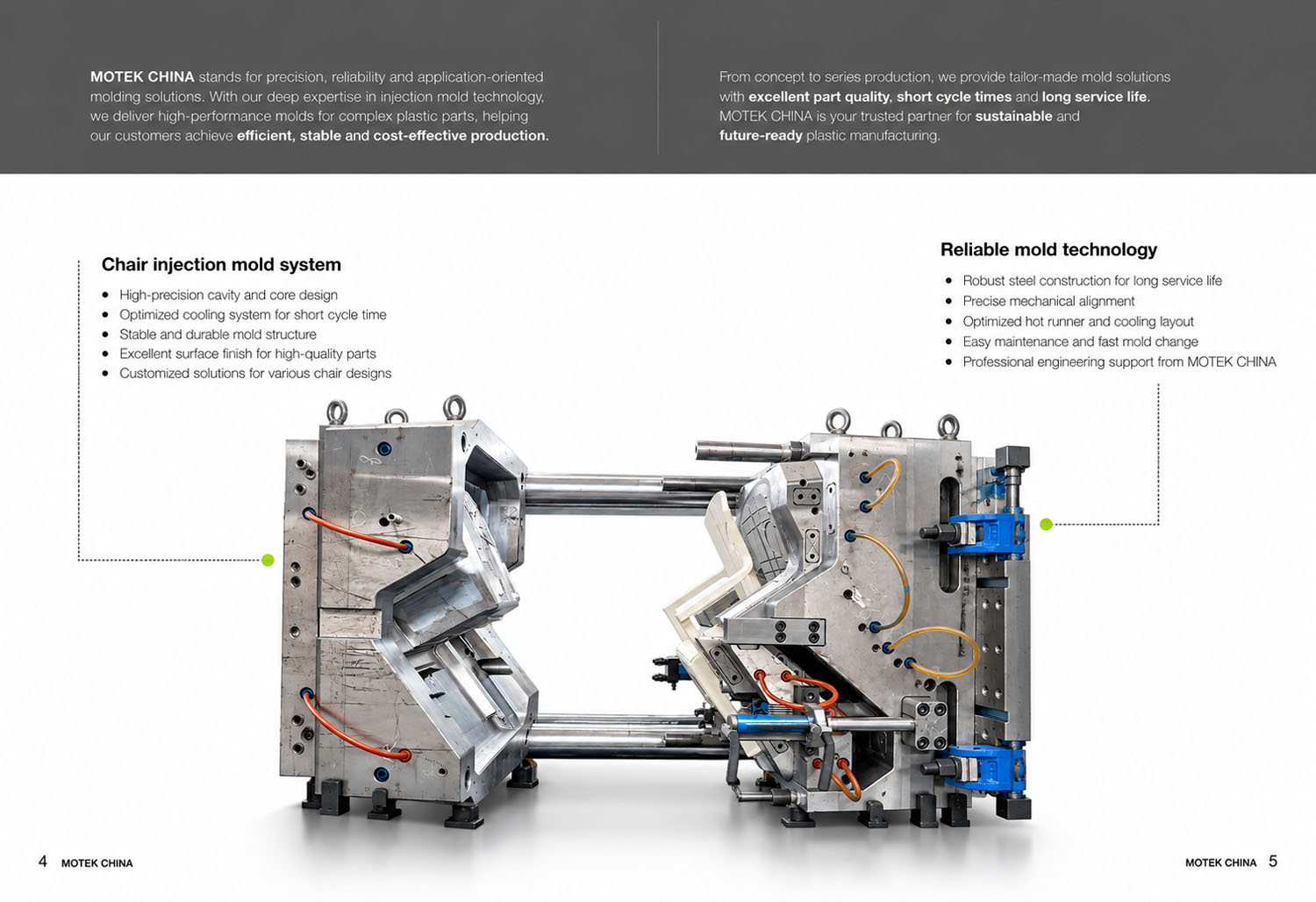
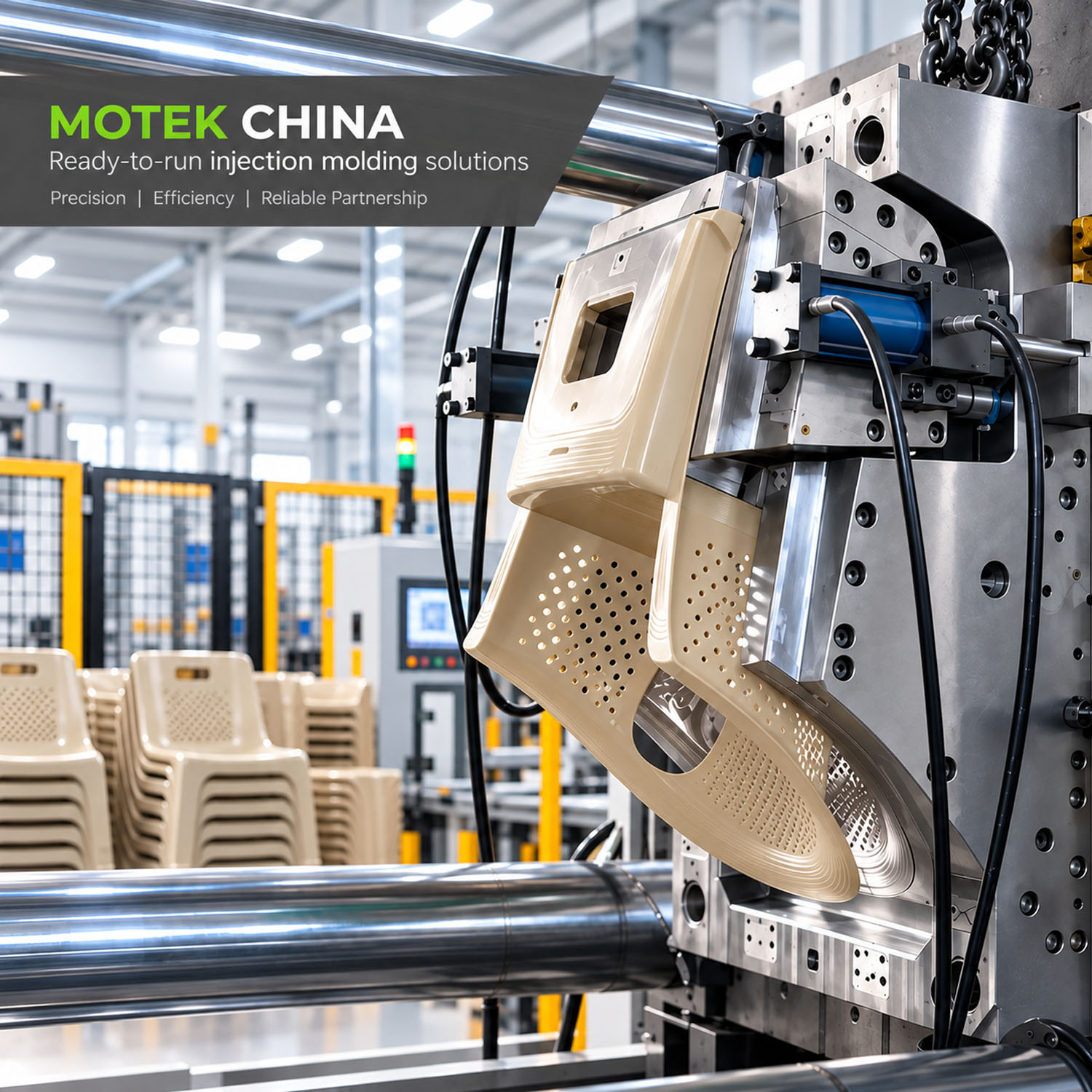
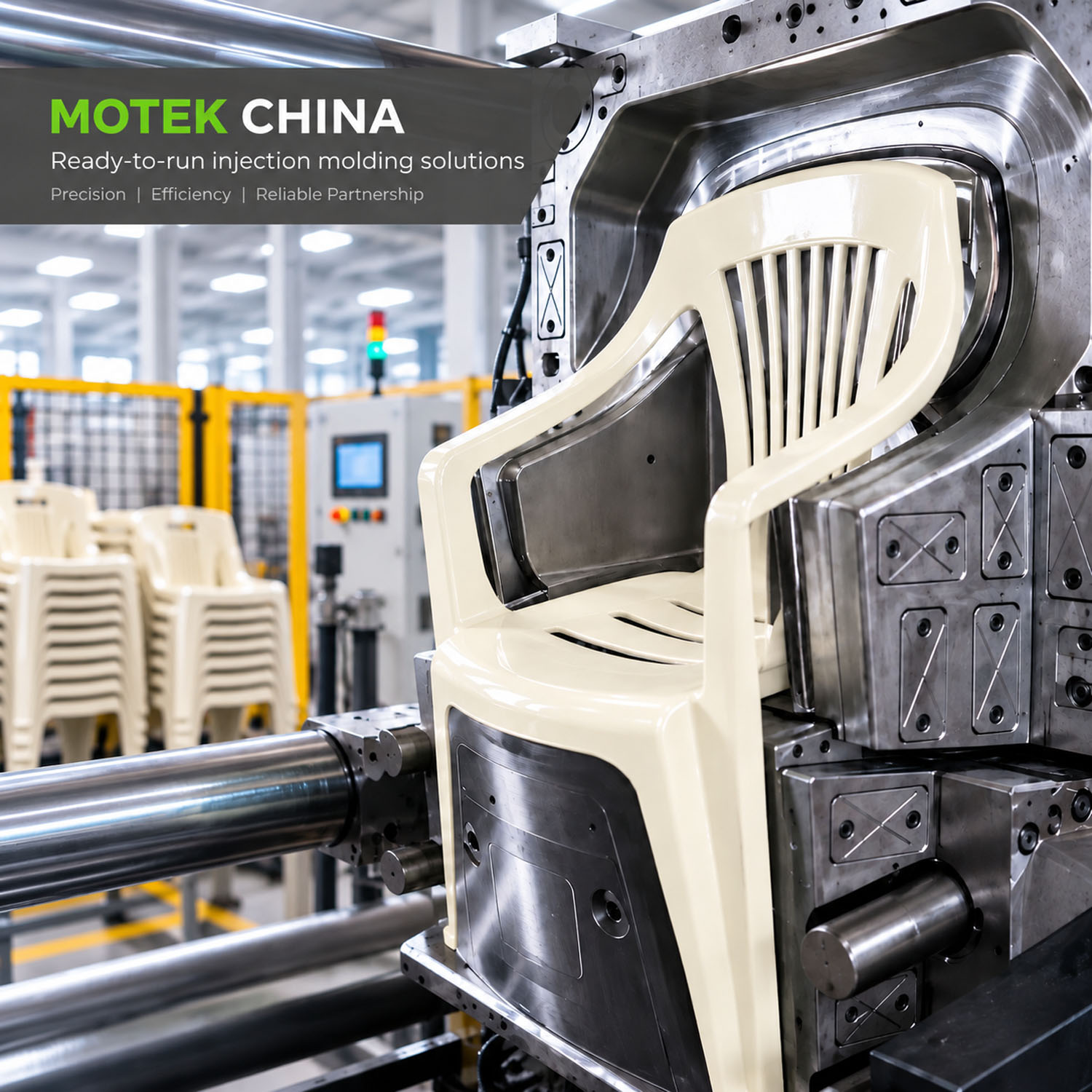
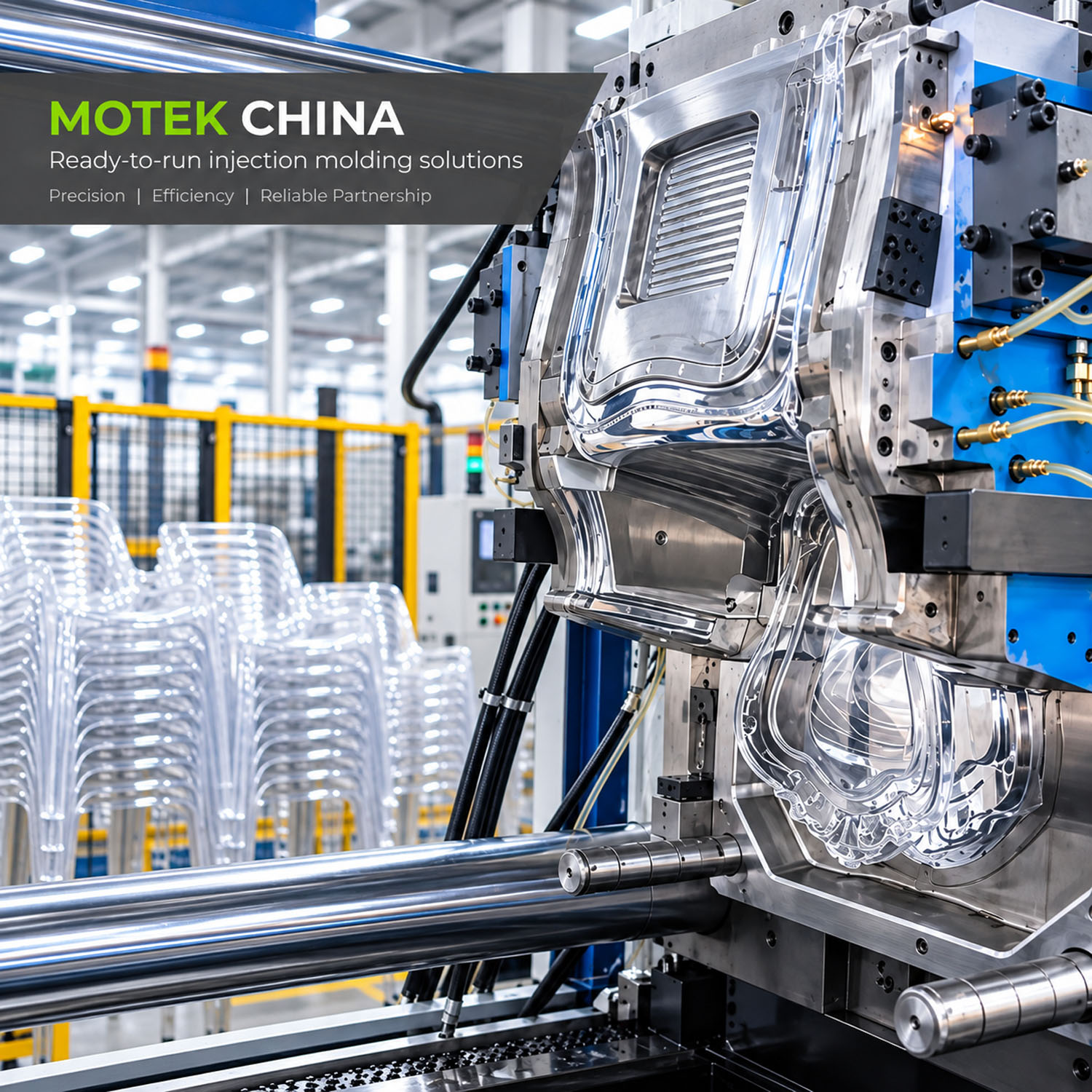
Motek introduces dedicated injection molds for plastic rattan-weave steel-tube chairs used in restaurants, courtyards, and outdoor settings. These products use steel tubes as the load-bearing frame and plastic rattan-weave components as the seating surface and backrest—combining the strength of metal structures with the natural aesthetic of rattan, suitable for high-frequency use environments such as restaurant patios, night market food stalls, and courtyard terraces. The core challenges in mold development lie in precise replication of imitation rattan textures with demolding scratch protection, forming the connection structure between steel tubes and plastic components, and structural strength assurance under high-frequency outdoor use. Motek configures dedicated solutions around texture etching processes, anti-scratch coating treatment, and connection structure design, helping customers achieve stable mass production of rattan-weave steel-tube chairs.
Core Specifications
| Item | Specification |
|---|---|
| Applicable Plastics | PE rattan compound / PP+GF (PE rattan compound recommended for imitation rattan parts, typical MFI 6–20 g/10 min) |
| Mold Material | P20 / 718H / 2344 for cavity and core; S136 / 1.2316 corrosion-resistant steel recommended for textured areas |
| Number of Cavities | Single cavity primarily; 2–6 cavities evaluable based on customer capacity |
| Mold Life | 300,000–1,000,000 shots (depending on steel selection and maintenance) |
| Cycle Time | 30–45 seconds (industry mature solution reference value) |
| Mold Base Standard | LKM / HASCO / DME or customer-specified |
| Hot Runner System | Full hot runner optional, pin-point to submarine gate |
| Texture Treatment | Imitation rattan weave texture etching, depth customized per customer samples |
| Surface Treatment | Nitriding or surface hardening for sliders/inserts + anti-scratch coating on textured areas |
| Connection Structure | Steel tube insertion seats/snap-fits/connector mounting positions integrally formed |
Product Features
Precise Replication of Imitation Rattan Textures with Demolding Scratch Protection.
The quality of rattan-weave appearance depends on the three-dimensionality and continuity of the texture. Motek uses etching processes to reproduce the warp-and-weft interweaving and relief layers of the weave on cavity surfaces. Mature industry practice shows that imitation rattan textures are highly susceptible to scraping by mold walls during demolding, requiring nitriding or surface hardening treatment with anti-scratch coatings on moving components such as sliders and inserts to ensure smooth movement without damaging the texture. S136 or 1.2316 corrosion-resistant steels are recommended for textured areas, balancing texture detail clarity with long-term rust resistance.
Integral Forming and Precision Control of Steel-Tube Connection Structures.
The steel tube frame and plastic rattan-weave components of rattan-weave steel-tube chairs are secured through insertion, snap-fits, or connectors. Motek forms steel tube insertion seats and connection bosses in the mold, with dedicated tolerance control on insertion hole diameter, depth, and locating features, ensuring smooth tube insertion and no loosening or wobbling after assembly. For hollow structures requiring secondary core-pulling, stepped demolding is adopted to ensure synchronous forming of hollow sections.
Venting and Filling Control in Textured Areas.
Deep grooves and intersection nodes of imitation rattan weaving are high-incidence areas for trapped gas. Motek provides micro venting inserts or vent grooves at positions corresponding to texture dead corners, preventing incomplete texture formation or burning caused by trapped gas. Mold flow analysis is used to evaluate melt filling paths in woven texture areas, with gate positions reasonably selected to reduce the impact of weld lines on texture continuity. Industry experience shows that full hot runner design enhances temperature uniformity, reducing deformation and porosity risks in imitation rattan parts.
Structural Reinforcement for High-Frequency Restaurant and Outdoor Use.
Restaurant patios and courtyard settings place high demands on chair load-bearing capacity and durability. Motek optimizes wall thickness transitions and reinforcement rib layout at load-bearing areas of the seat and backrest to avoid stress concentration. For materials, PE rattan compounds or PP+GF reinforced compounds can be selected to enhance load-bearing capacity while maintaining rattan texture quality. For stackable models, stacking position angles and spacing are design-verified to ensure stable stacking of multiple chairs with smooth retrieval.
Outdoor Weathering-Oriented Steel and Surface Treatment.
Outdoor rattan-weave chairs are exposed long-term to UV and temperature fluctuations. S136 or 1.2316 with good corrosion resistance is recommended for cavity steel; industry experience shows such stainless steels can achieve service life exceeding 1,000,000 shots with proper maintenance. Non-textured areas can receive fine-texture or matte treatment as required to enhance surface wear resistance and scratch resistance while maintaining texture coordination with textured areas.
Applications
Motek plastic rattan-weave steel-tube chair molds are suitable for:
- Restaurant patio rattan-weave steel-tube chair seats/backrests
- Courtyard/terrace imitation rattan steel-tube chairs
- Outdoor leisure rattan-weave armchairs
- Stackable rattan-weave steel-tube chairs
- Commercial food service rattan-weave chairs (seat + backrest assemblies)
Service Process
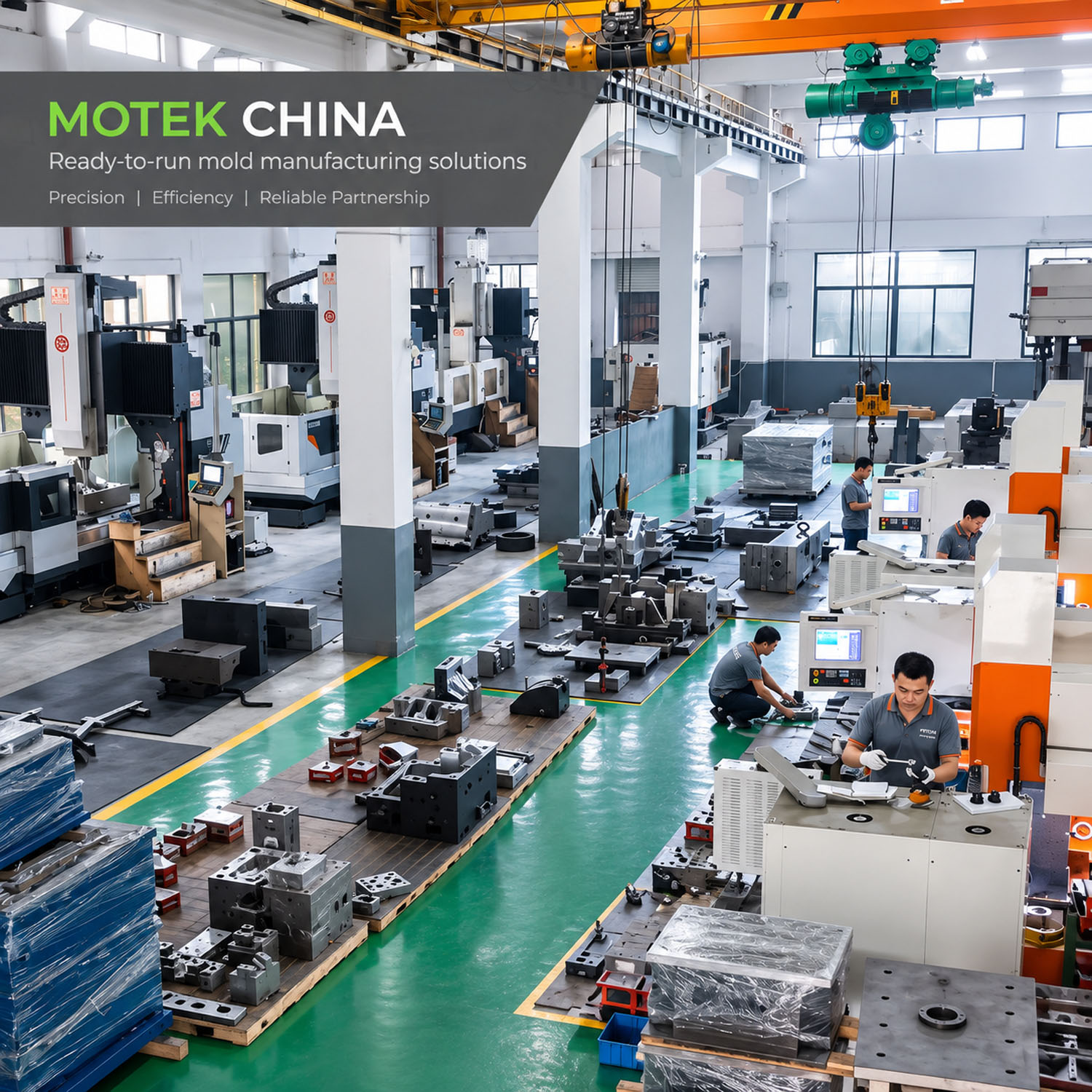
After the customer provides 3D product drawings, rattan texture samples or reference images, and steel tube connection plans, Motek completes texture etching plan confirmation, mold flow analysis (including textured area filling evaluation and connection structure dimension compensation), and mold structure design; cavity steel is selected per texture and weathering requirements, with texture samples provided for customer confirmation before etching; during trial molding, Motek cooperates with the customer on steel tube assembly verification, texture appearance confirmation, and demolding mechanism operation testing, providing samples for final sign-off. Before shipment, molds undergo anti-rust treatment and action testing, with water circuit diagrams, consumable parts lists, and texture maintenance notes provided. Technical support is available during the warranty period, with lifetime maintenance consultation.
Motek — From plastic tables to rattan-weave steel-tube chairs, providing reliable mold solutions for injection-molded texture forming and structural assembly of restaurant and outdoor furniture.
