

Plastic Injection Storage Cabinet with Transparent Doors — Product Introduction (Motek Furniture Mold Series)
Plastic Injection Storage Cabinet with Transparent Doors — Product Introduction (Motek Furniture Mold Series)
Product Positioning
Motek introduces dedicated injection mold solutions for plastic storage cabinets with transparent doors. These products combine the dust protection of enclosed storage with the convenience of visible contents identification—widely used in living rooms, bedrooms, children's rooms, offices, and retail display settings. The transparent door is typically made from PC, PMMA, or transparent PP, while the cabinet body uses opaque or colored plastic for structural strength. The core challenges in mold development lie in optical-grade transparency of the door panels, secure hinge and latch integration between transparent doors and the cabinet body, and warpage control to maintain door-to-body fit. Motek addresses these through high-polish cavity machining, precision interface forming, and balanced cooling design, helping customers achieve stable mass production of transparent-door storage cabinets.
Core Specifications
| Item | Specification |
|---|---|
| Applicable Plastics | Transparent doors: PC / PMMA / transparent PP; Cabinet body: PP / ABS / HDPE |
| Mold Material | S136 / 1.2316 corrosion-resistant mirror steel for transparent door cavities; P20/718H/NAK80 for cabinet body molds |
| Number of Cavities | Transparent doors: 1×1 or 1×2; Cabinet body: 1×1; Small shelves: 1×2 or 1×4 evaluable |
| Mold Life | 300,000–800,000 shots |
| Cycle Time | Transparent doors: 30–55 seconds (depending on thickness and cooling); Cabinet body: 25–50 seconds |
| Mold Base Standard | LKM / HASCO / DME or customer-specified |
| Runner System | Hot runner recommended for transparent doors (reduces cold slugs and flow marks) |
| Surface Finish | Optical-grade mirror polishing (SPI A-1/A-2) for transparent doors; fine-texture or matte finish for cabinet body |
| Door Interface | Hinge positions, latch catches, and frame grooves integrally formed with tight tolerance control |
Product Features
Optical-Grade Transparency of Door Panels.
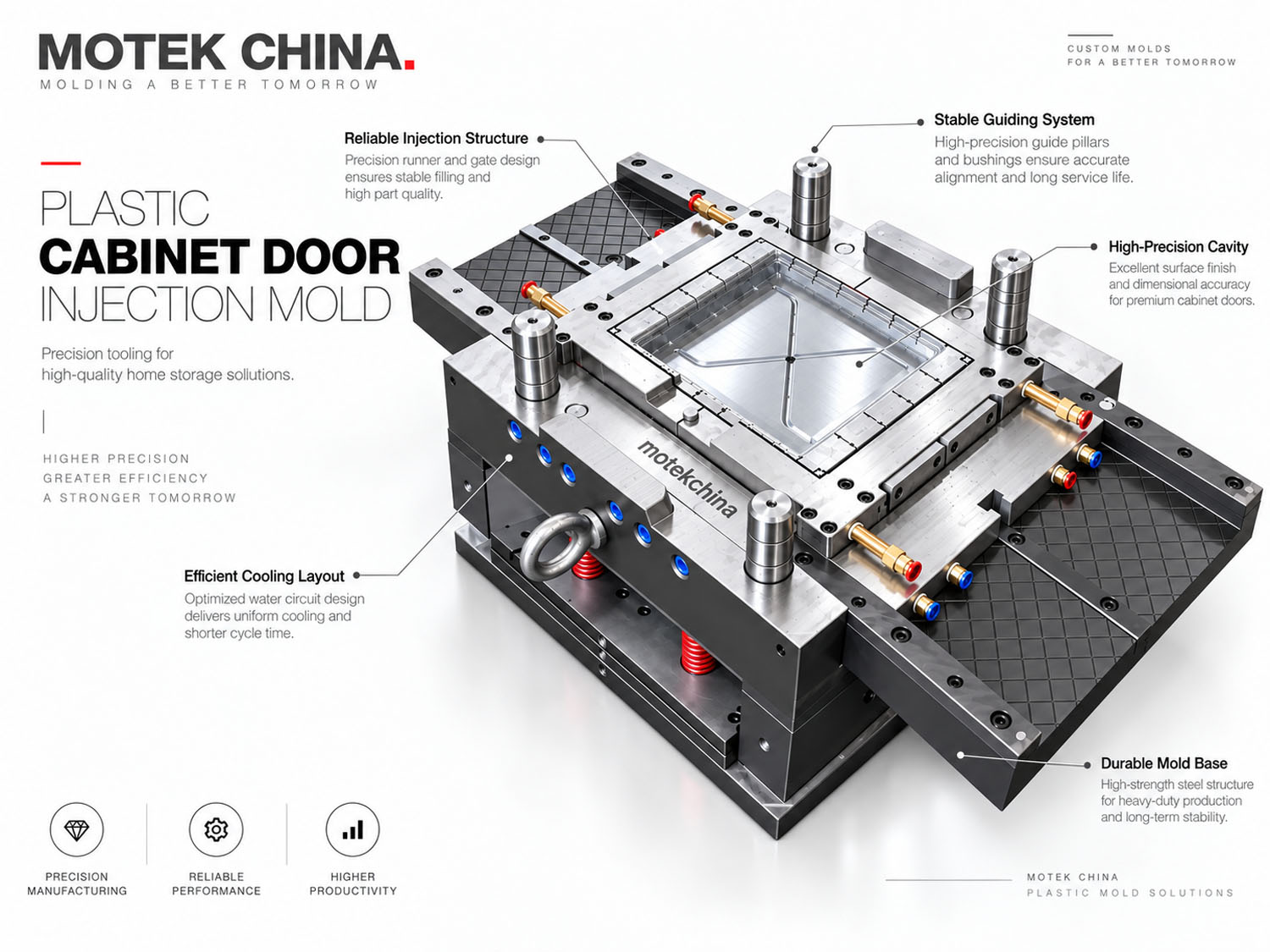
The visual function of transparent-door cabinets depends on the clarity of the door panels. Motek uses S136 or 1.2316 corrosion-resistant mirror steels for transparent door cavities, with surfaces receiving optical-grade mirror polishing (SPI A-1/A-2) to eliminate machining marks and polishing traces, preventing light scattering that causes haziness. Gates are positioned to avoid visible areas on the door face, and venting is arranged at weld line locations to prevent trapped gas from forming bubbles or silver streaks.
Secure Hinge and Latch Integration.
Transparent doors must open smoothly and close securely against the cabinet body. Motek forms hinge positions, latch catches, and frame grooves with tight dimensional tolerance, ensuring the transparent door aligns precisely with the cabinet opening and latches reliably. The interface between the transparent door and opaque body requires careful tolerance management to accommodate the different shrinkage rates of PC/PMMA versus PP/ABS.
Warpage Control for Door-to-Body Fit.
Transparent door panels are prone to warpage from uneven cooling, which can compromise the seal and appearance of the closed cabinet. Motek evaluates shrinkage distribution through mold flow analysis, applies pre-deformation compensation to the cavity, and adopts symmetrically balanced cooling channels to equalize cooling rates across the panel. Door thickness and rib layout are optimized to maintain flatness without compromising transparency.
Cabinet Body Structural Reinforcement.
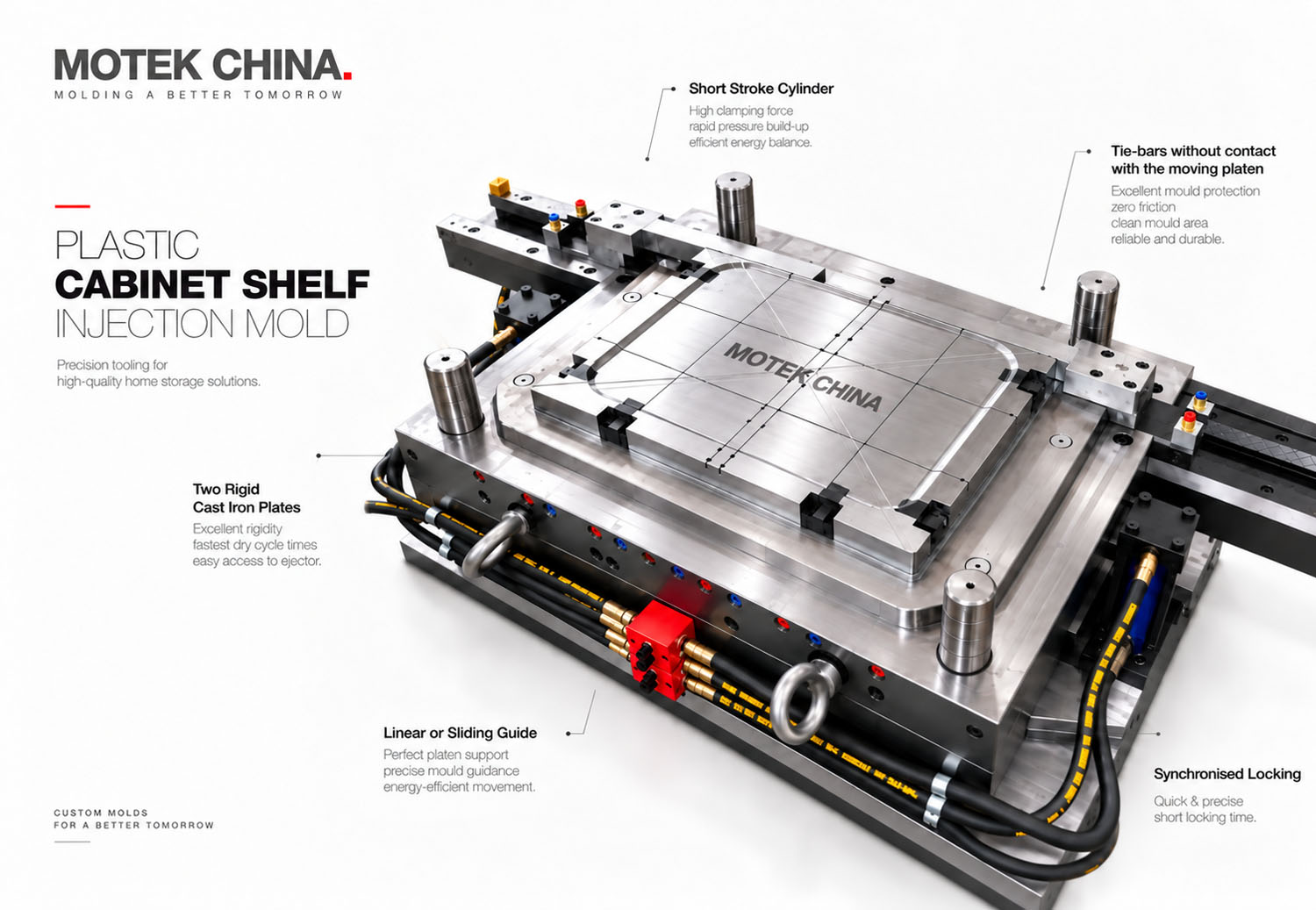
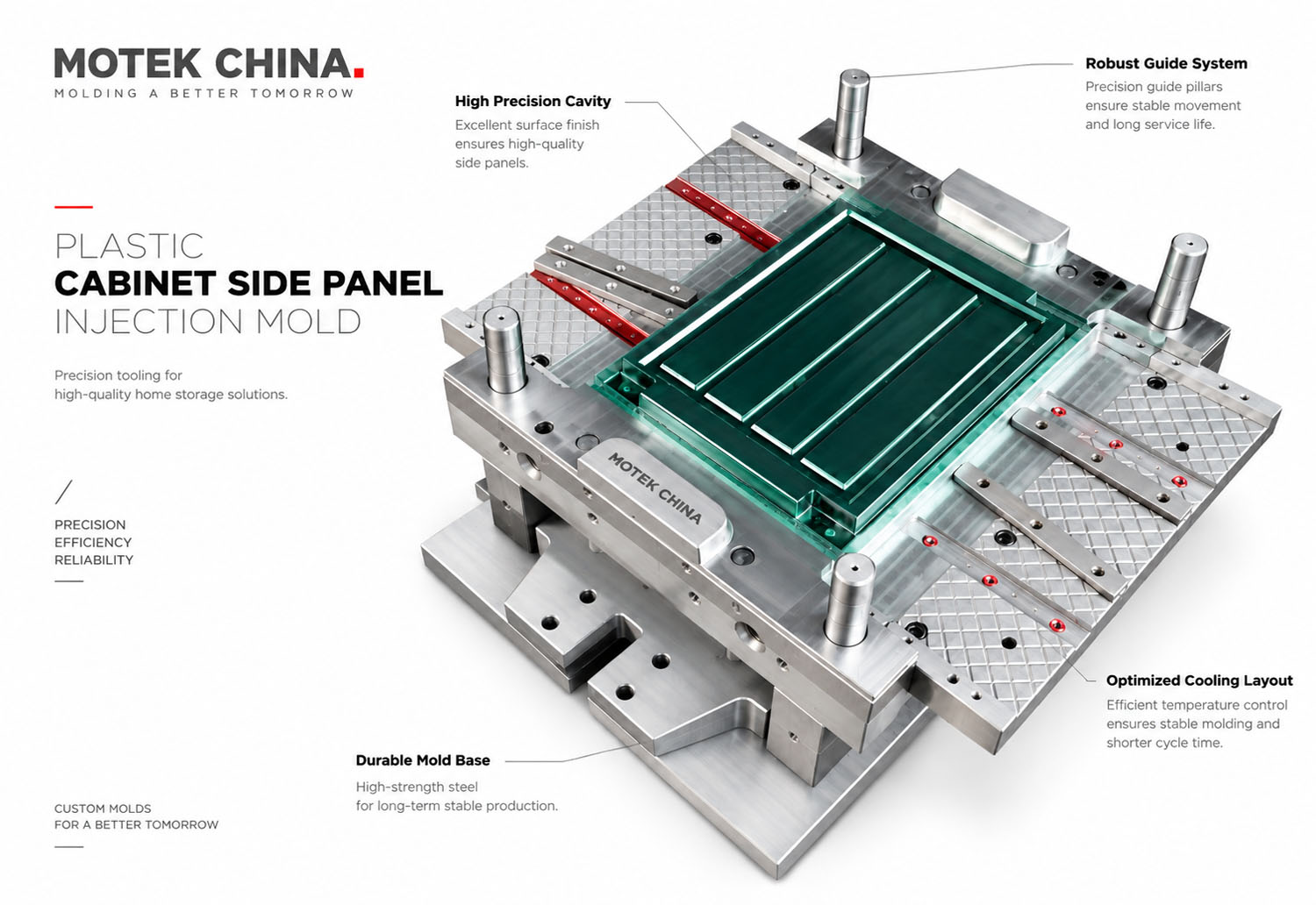
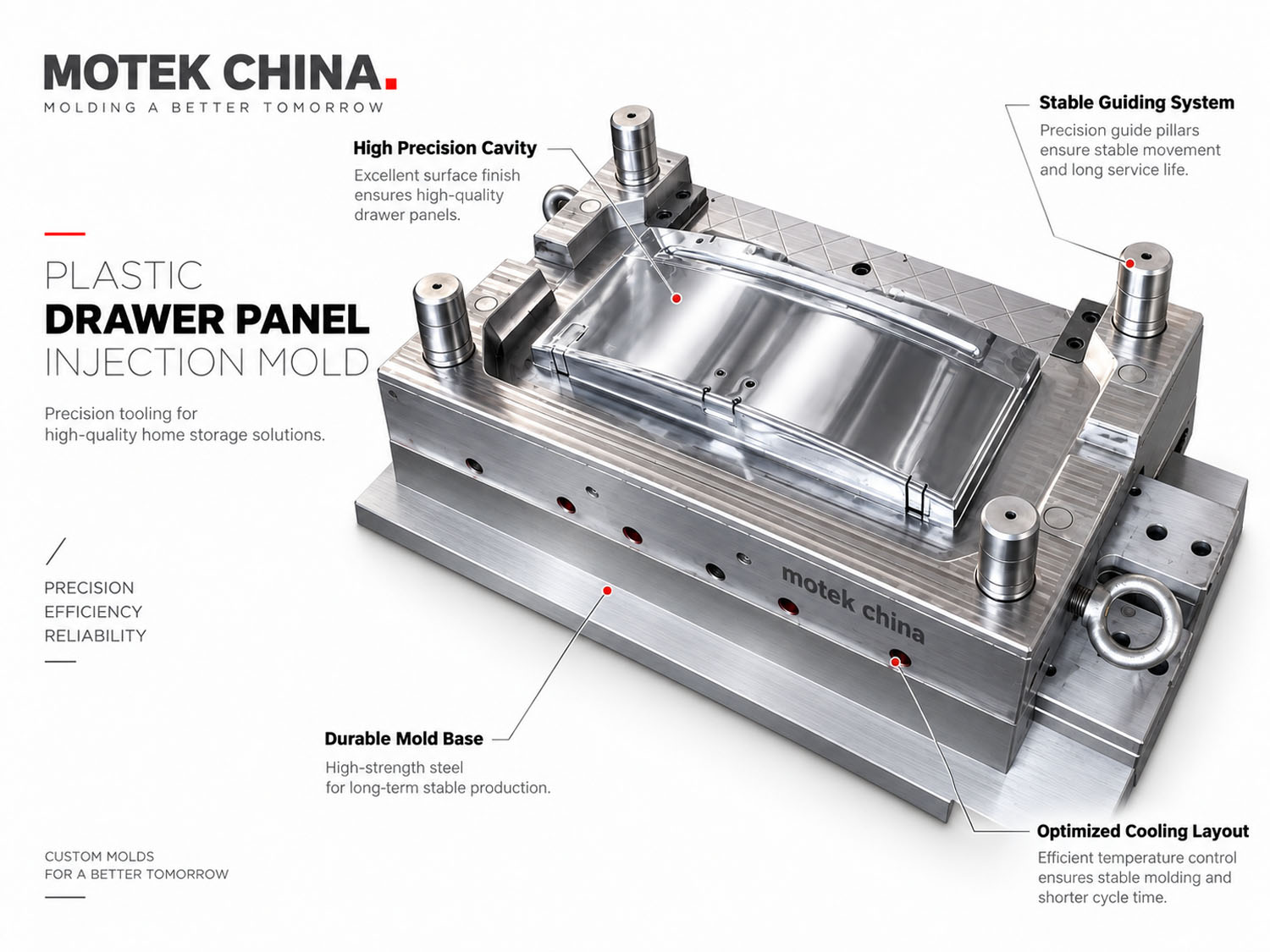
The cabinet body must support the weight of stored items and the transparent doors. Motek reinforces shelf support positions, corner joints, and door hinge mounting areas through optimized wall thickness and rib layout. Mold flow analysis verifies filling completeness at corner nodes where wall sections converge.
Modular Assembly and Interchangeability.
Storage cabinets with transparent doors often feature modular construction—side panels, shelves, and door frames assemble together. Motek forms snap-fits, slot-in interfaces, and connector mounting positions with tight tolerance control, ensuring modules from different batches assemble smoothly with uniform clearances.
Mixed-Material Appearance Coordination.
The transparent door and opaque cabinet body must present a coordinated appearance. Motek controls surface texture and gloss on both components—optical-grade polish on the transparent door, fine matte or textured finish on the cabinet body—ensuring visual harmony while maintaining functional distinction.
Applications
Motek plastic injection storage cabinet with transparent doors molds are suitable for:
- Living room transparent-door display storage cabinets
- Bedroom transparent-door clothing/accessory cabinets
- Children's room transparent-door toy storage cabinets
- Office transparent-door document/stationery cabinets
- Retail display cabinets with transparent doors
Service Process
After the customer provides 3D product drawings, transparency grade requirements, door interface plans, and appearance specifications, Motek completes mold flow analysis (including transparent door filling and venting evaluation, warpage prediction, and interface fit verification) and mold structure confirmation; cavity steel is selected per optical-grade requirements, with surface samples provided for customer confirmation before polishing; progress and key milestones are regularly reported during processing. During trial molding, emphasis is placed on verifying door transparency, hinge/latch fit, panel flatness, and overall appearance coordination, with samples and inspection reports provided. Before shipment, molds undergo anti-rust treatment and action testing, with water circuit diagrams, hot runner wiring diagrams, consumable parts lists, and maintenance instructions provided. Technical support is available during the warranty period, with lifetime maintenance consultation.
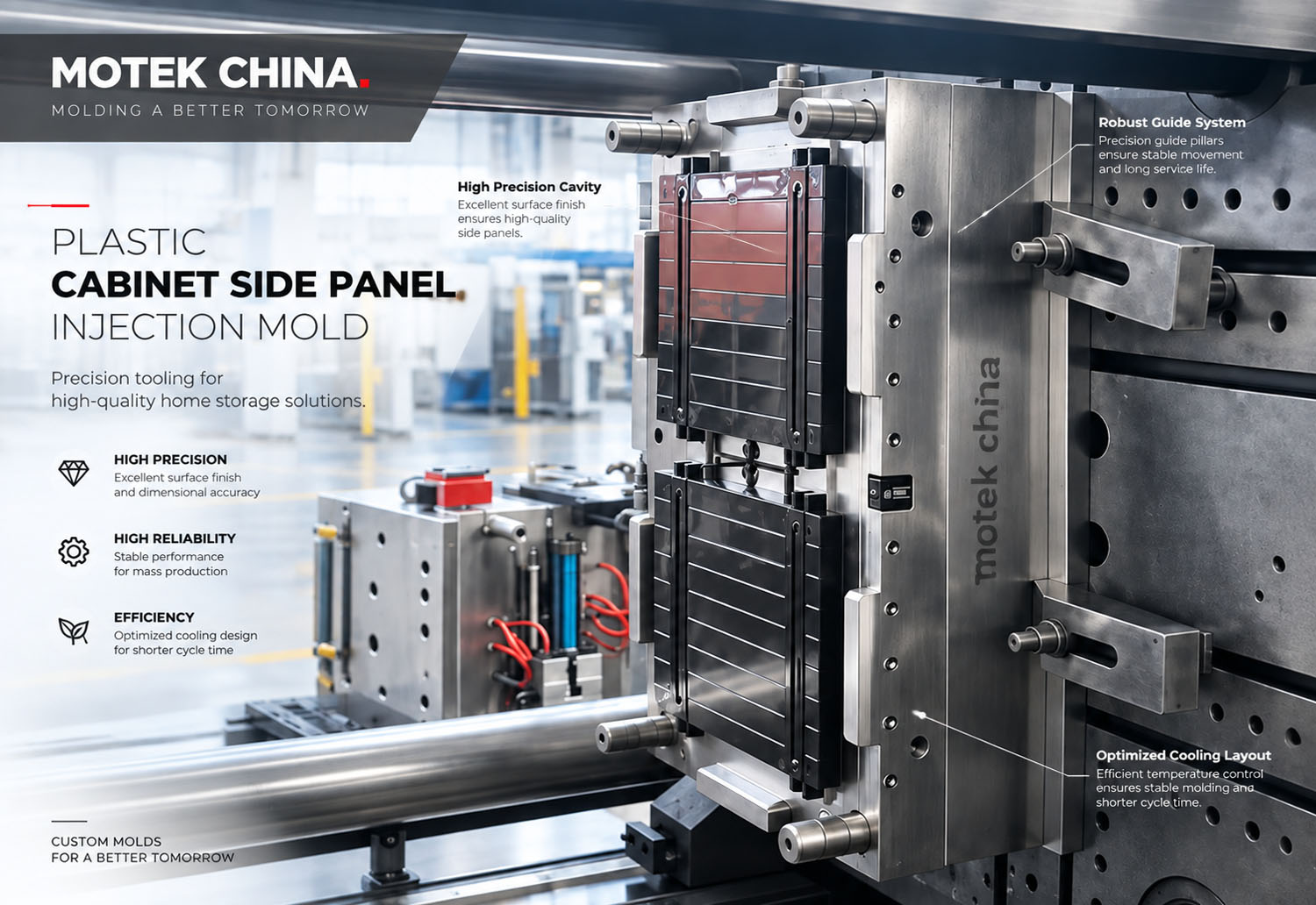
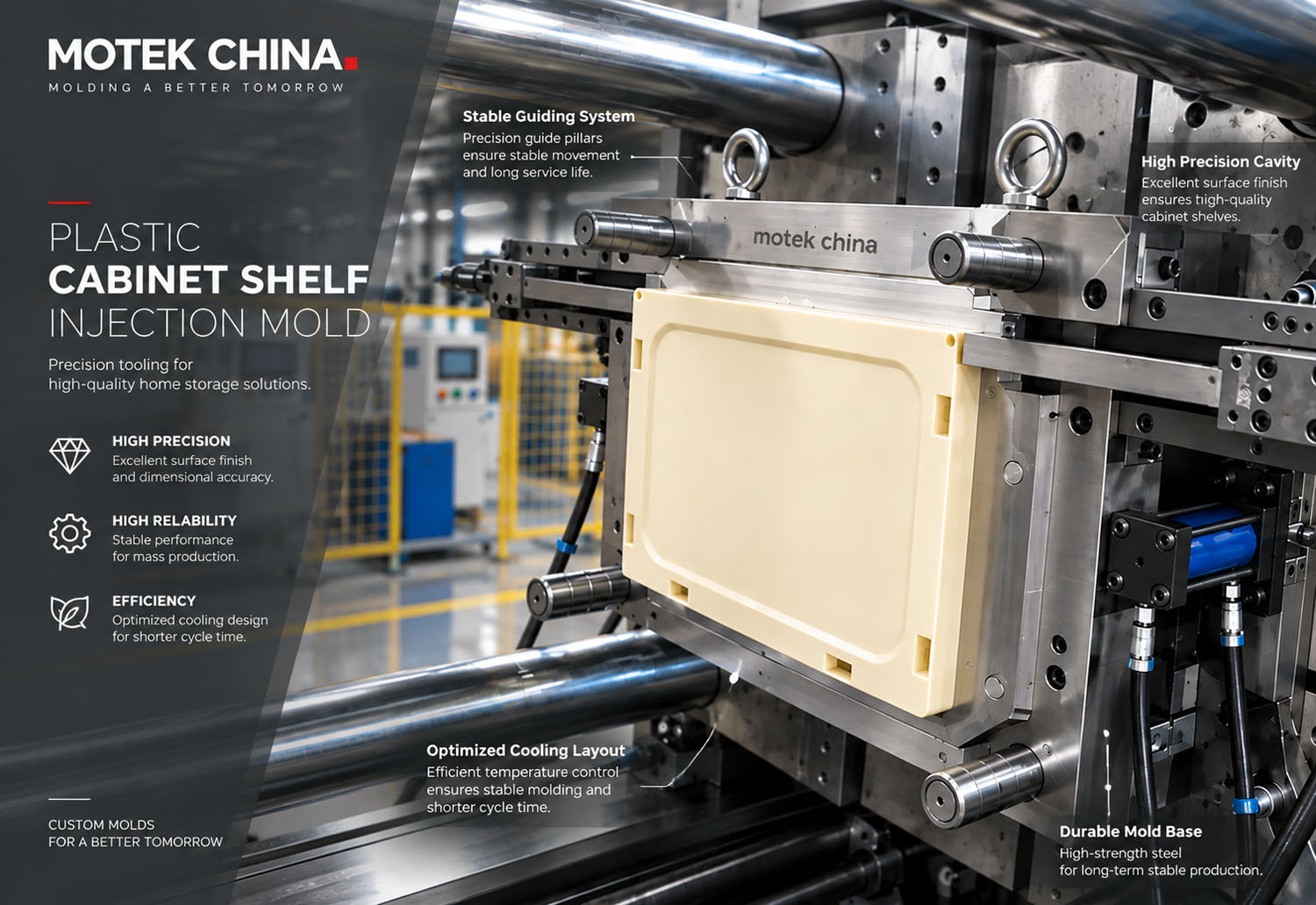
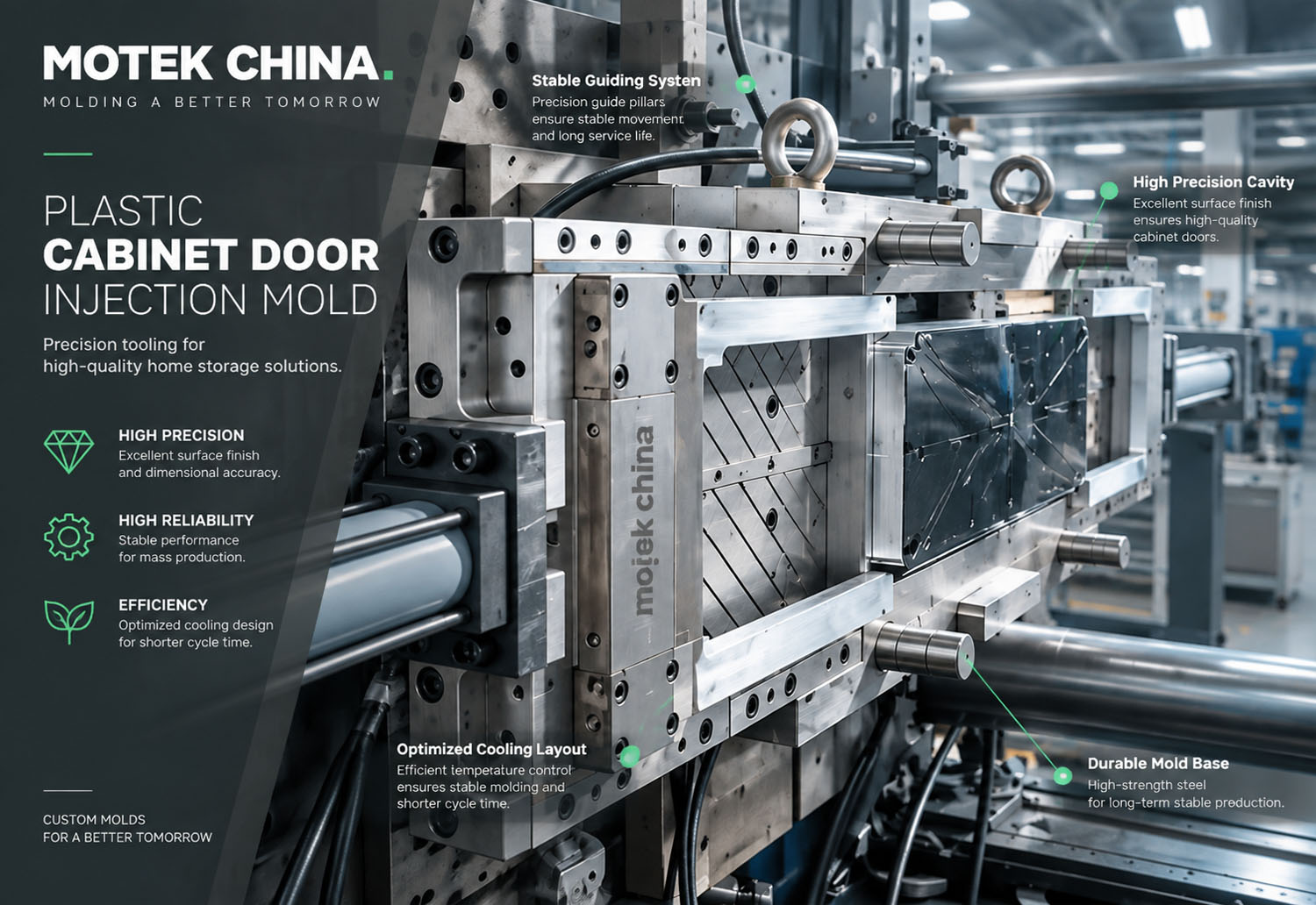
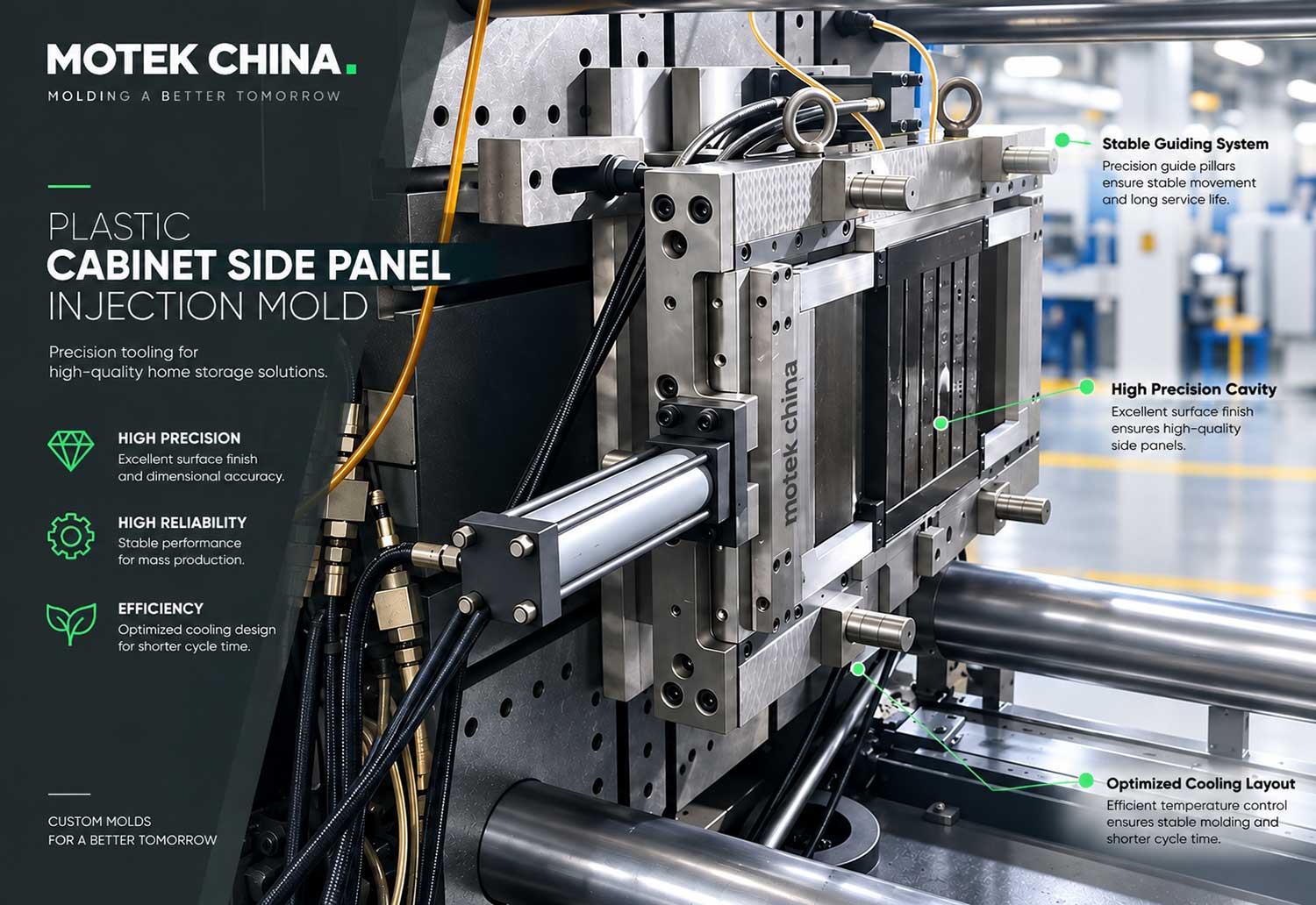
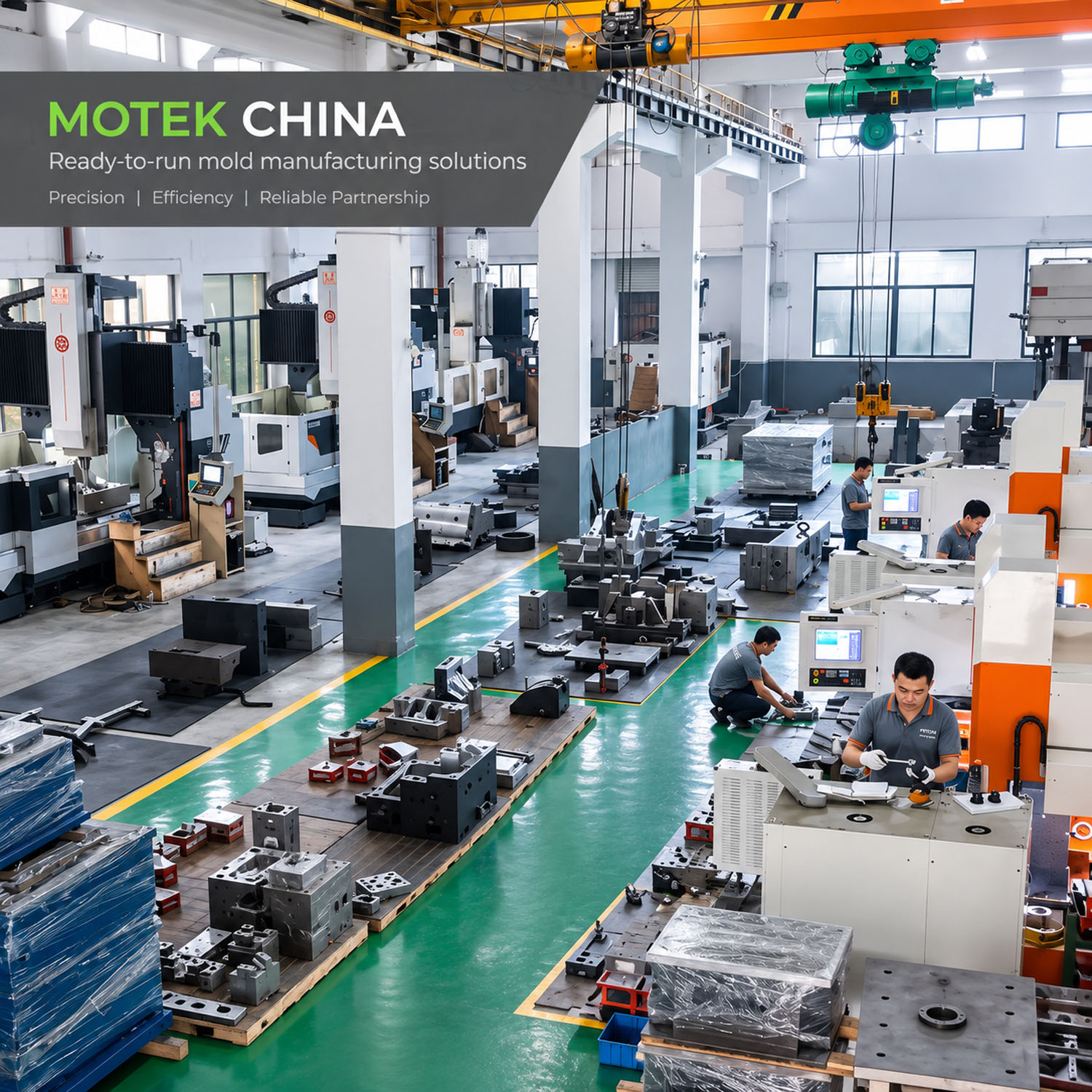
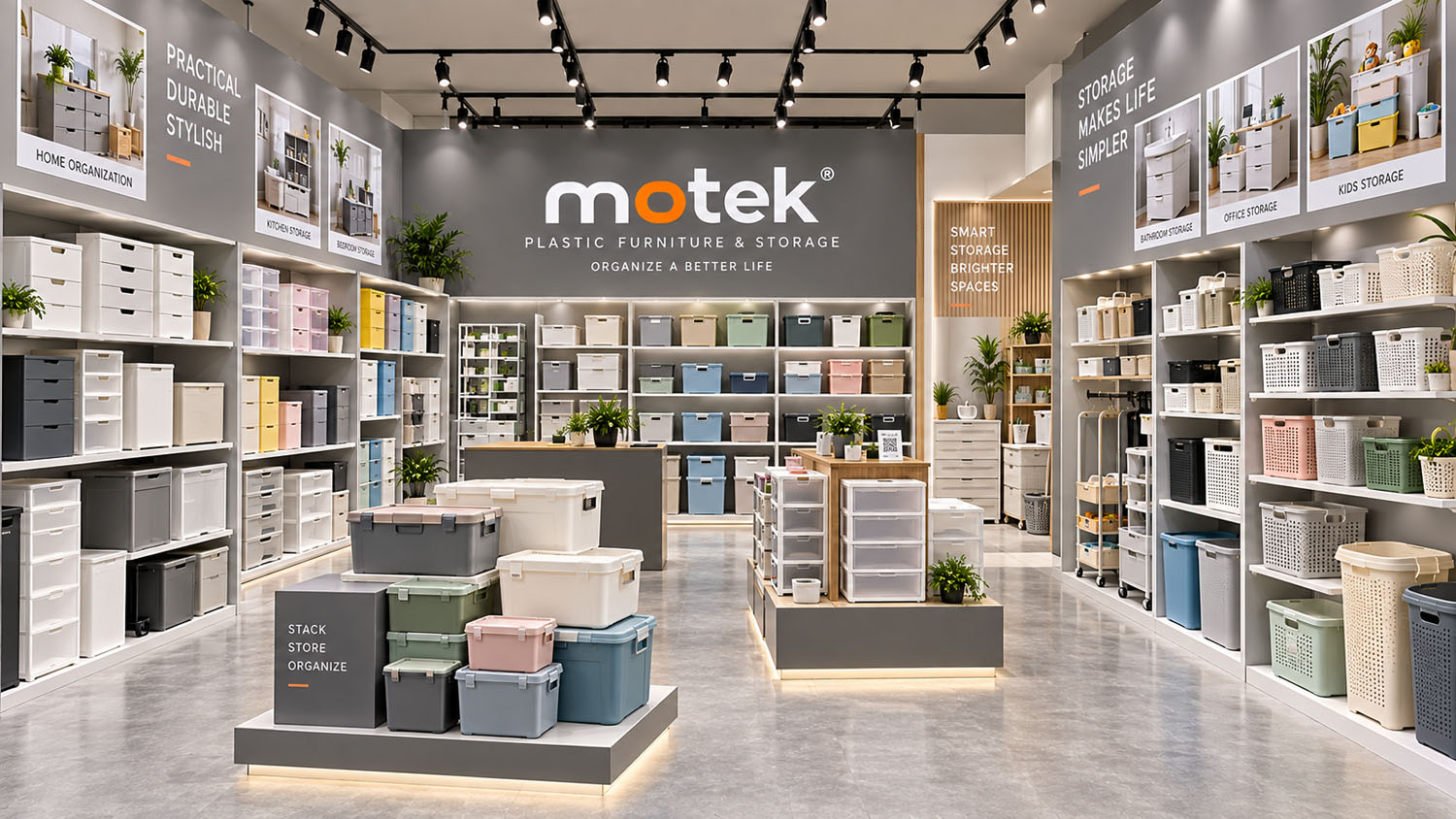
Motek — From opaque storage cabinets to transparent-door display cabinets, providing reliable mold solutions for injection molding of functional and visually appealing household storage products.
